
Article
Understanding Laser Welding Capabilities for Aluminum Applications New
Learn how modern handheld laser welding systems overcome aluminum reflectivity and heat challenges for consistent welds.

Andrew Pfaller
Product Manager and Weld Engineer
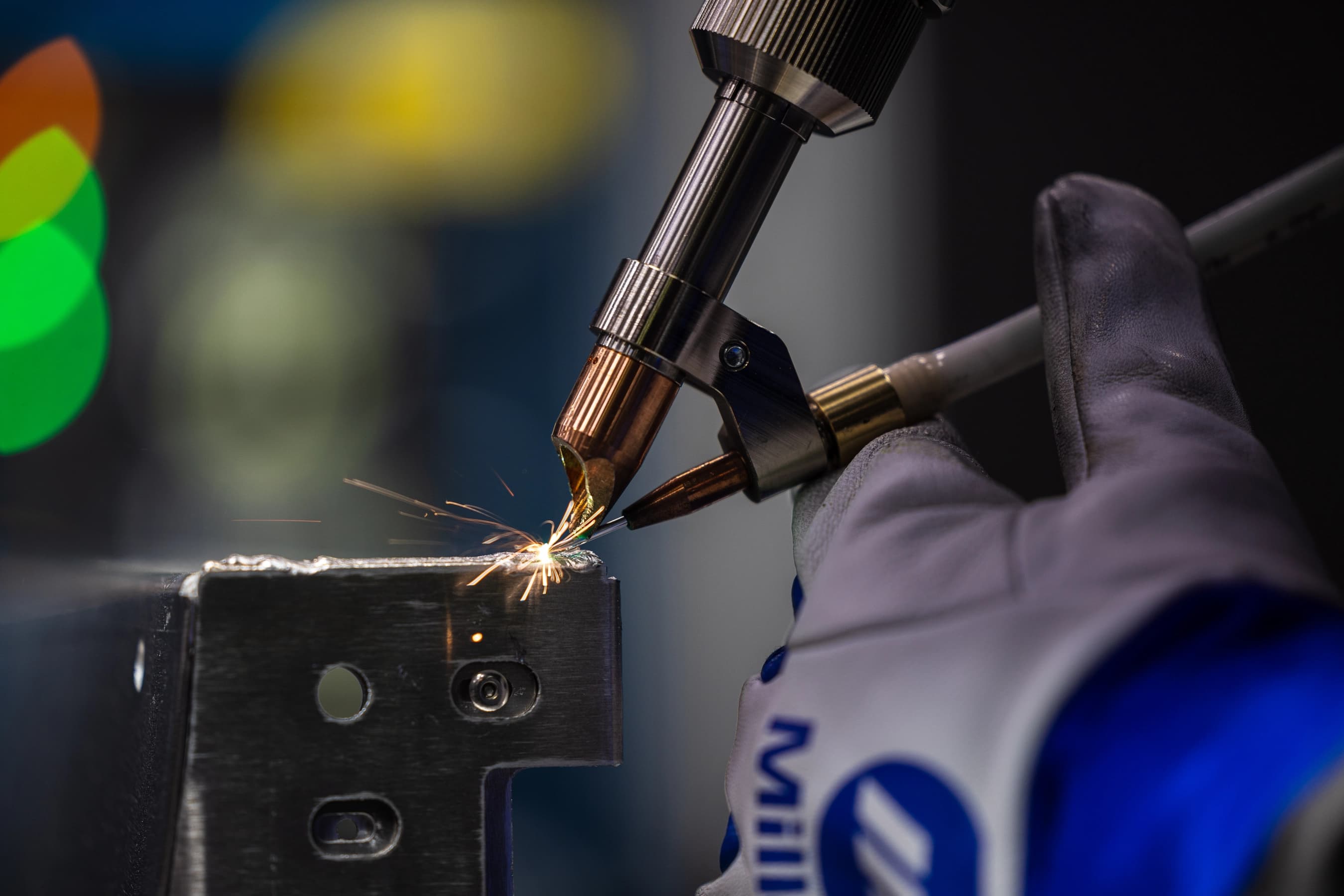
MIG, TIG and handheld laser are all proven processes, but they shape results in different ways. For fabricators working with stainless steel, aluminum and thin‑gauge sheet metal, the differences show up most clearly in heat control, distortion, weld appearance and overall throughput. Understanding how each process behaves makes it easier to match the right tool to the job and to recognize where a handheld laser welder like OptX™ delivers the greatest impact.
OptX™ Laser Comparison to TIG and MIG
Heat management is the foundation of weld quality, especially on thin materials. Handheld laser welding delivers energy in a tightly focused spot, allowing the joint to reach welding temperature quickly while limiting how much surrounding metal heats up. This concentrated heat profile keeps distortion to a minimum and produces a narrow heat‑affected zone. On 18‑gauge carbon steel, laser welding introduces roughly 50% of the total heat that TIG or MIG would put into the same part.
With stainless steel, laser welding’s limited heat input helps preserve the corrosion‑resistant chromium oxide layer adjacent to the weld, reducing discoloration and backside sugaring when penetration depth is properly controlled. The small, controlled melt pool also means there is no arc‑related spatter, resulting in a smooth bead with minimal post‑weld cleanup.
By comparison, TIG welding applies heat more gradually and across a wider area. The slower travel speed keeps the base metal hot longer, which often leads to more warping on light‑gauge sections and a broader band of heat tint around the weld. MIG welding moves faster than TIG and introduces less total heat overall, but its arc still covers a larger area than a laser’s focused beam. On thin stainless sheet metal, MIG welds typically show some distortion and visible oxide tint that must be polished off, along with spatter from the continuous wire feed.
All three processes can produce sound welds, but tighter heat control helps keep parts flatter and reduces finishing work on stainless, aluminum and thin sheet metal assemblies.
In most fabrication shops, productivity losses occur after the weld is completed, not during the arc‑on time. Deposition rate, fit‑up tolerance and post‑weld processing all influence how quickly a finished part moves through the shop.
MIG welding excels when large volumes of filler metal are required. Structural components, thick joints and wide gaps benefit from MIG’s ability to deposit filler efficiently and consistently, making it well suited for high‑deposition work where appearance is secondary.
TIG welding prioritizes control over speed. Manual filler addition and careful puddle management limit travel speed, which makes TIG better suited for short welds, intricate joints and situations where precision outweighs output.
Laser welding approaches productivity differently. On thin materials, the concentrated heat source creates a small weld pool that allows steady, continuous travel along a seam without pauses for filling or weaving. Combined with minimal post‑weld cleanup, this often shortens total cycle time. In production environments where cosmetic appearance or leak‑tight seams matter, eliminating secondary finishing or sealing steps can outweigh differences in raw deposition rate. Laser welding also handles thin-to-thick joints with ease, a transition that is difficult to achieve with MIG or TIG, making it especially valuable for assemblies that combine varied material thicknesses.
Weld appearance often determines whether a part moves forward immediately or returns for additional work. On stainless steel and aluminum, excess heat creates oxide layers that must be removed to restore appearance and corrosion resistance.
Laser welding minimizes oxidation at the source. Faster travel speeds and a smaller heated zone limit heat tint to a faint line or eliminate it altogether. When cleanup is needed, OptX 2kW can transition into laser cleaning mode to remove surface oxide without chemicals or abrasives, simplifying finishing and improving consistency.
MIG welding typically produces more spatter and a wider heat‑affected zone, both of which require mechanical cleanup. TIG avoids spatter but still produces heat tint that must be removed for a bright finish. Over production runs, these differences translate directly into labor savings and more predictable outcomes when laser welding is used on thin, appearance‑critical parts.
Consistent weld quality becomes harder to maintain as teams grow, shifts change and experience levels vary. Ease of use influences both training time and repeatability across production environments.
MIG welding offers a relatively short learning curve and forgiving operation. TIG demands higher coordination and experience, making it more difficult to scale consistently across larger teams.
Handheld laser welding is designed to support consistent results across a wide range of operators. Pre‑engineered programs manage laser power, wire feed and travel speed automatically, allowing the operator to focus on guiding the torch along the joint. New users can achieve repeatable weld quality quickly, while experienced welders benefit from stability that does not rely on constant manual adjustment. Over time, this consistency reduces variation from shift to shift and operator to operator, supporting higher confidence in weld quality and simplifying quality control.
Choosing the right welding process often comes down to which problems need to be solved first. Laser welding delivers the greatest benefit on thin, heat‑sensitive and appearance‑critical parts. Stainless steel assemblies that must remain flat and clean, aluminum panels that cannot tolerate distortion, and cosmetic or sanitary components all align well with laser welding’s low‑heat profile.
The strongest fabrication strategies combine all three processes. The result is greater flexibility, improved throughput and cleaner finished parts, with laser welding delivering fast, low‑heat welds where precision and consistency make the difference.
Learn how modern handheld laser welding systems overcome aluminum reflectivity and heat challenges for consistent welds.
Good-grade welding requires strict controls to prevent contamination. Learn five common mistakes and how to improve weld quality, consistency and durability.
Sanitary TIG welding demands precision. Learn how heat input, arc stability and prep impact clean, repeatable welds in food-grade fabrication.
Learn the key differences between MIG and TIG welding, how the process changes when switching to TIG and how the right equipment helps build confidence and control.
Thin base metal with a tendency to warp or distort under high-heat can make semi-trailer repair a frustrating task with rework often needed. Learn how stitch welding reduces heat input to prevent weld defects.
Discover how low-heat welding processes help reduce sugaring, heat tint and distortion in stainless steel for cleaner, more sanitary applications.
Compare laser, MIG and TIG welding—see how each process performs for heat control, deposition, weld quality and productivity on stainless steel and aluminum.
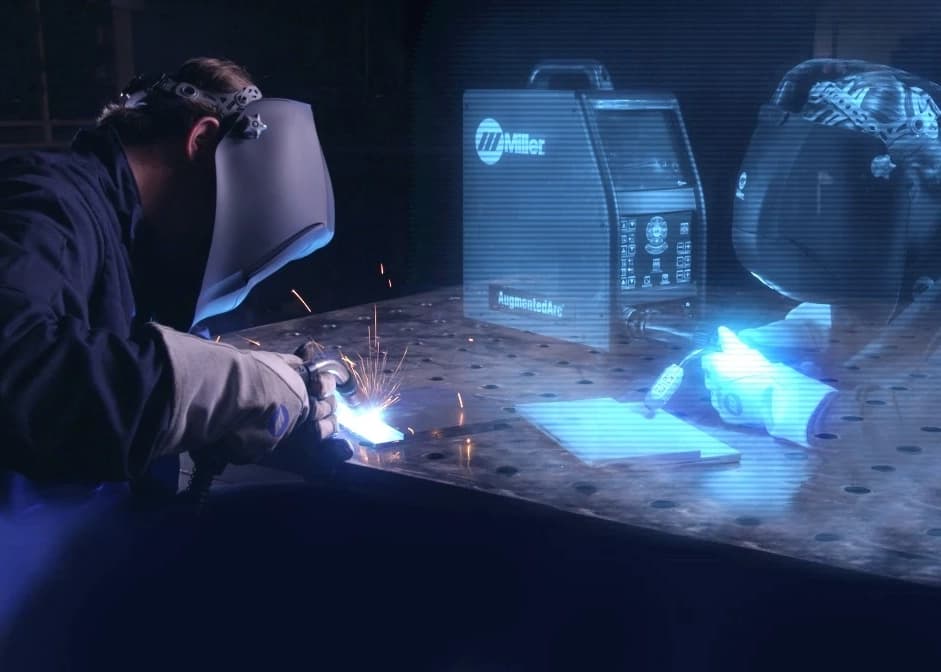
To meet current and future industry demands, Miller offers innovative augmented reality welding training solutions to not only enhance classroom learning but to recruit, educate and train new welders.
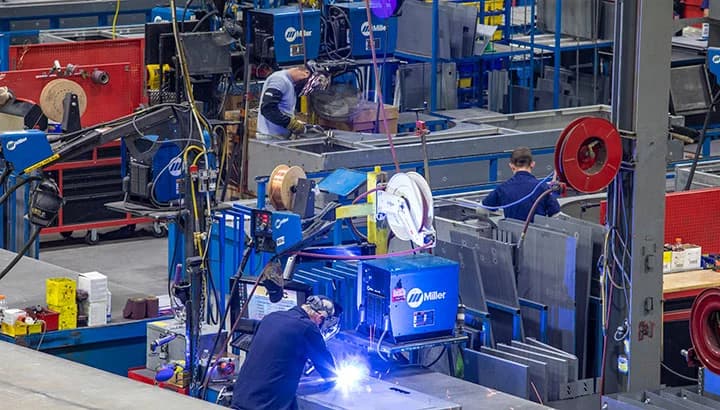
In welding, the distinctions between fabrication and manufacturing matter. Learn helpful tips to gain an edge.
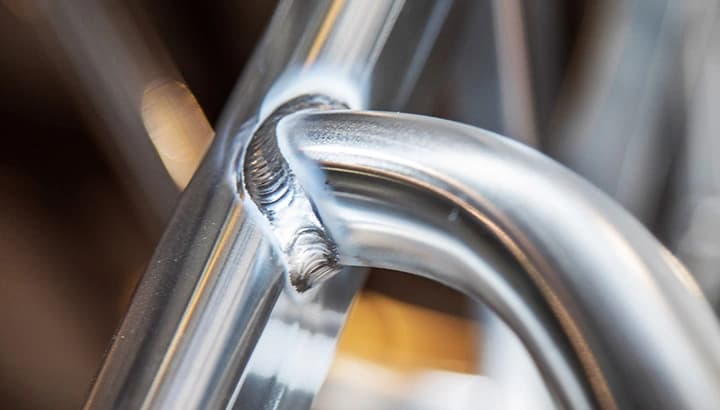
Explore advanced aluminum welding methods, including in-depth guidance on MIG and TIG welding techniques. Get answers to complex questions and practical tips for industrial applications.
Discover how the Miller Venture 150 S delivers high-performance, battery-powered welding — engineered for durability, safety, and portability.
See how Hartnell College brings real-world welding automation into the classroom to meet evolving manufacturing workforce needs.

Auto Elite Wire Drive and Auto Deltaweld simplify automation with streamlined installation, consistent quality and reduced downtime.
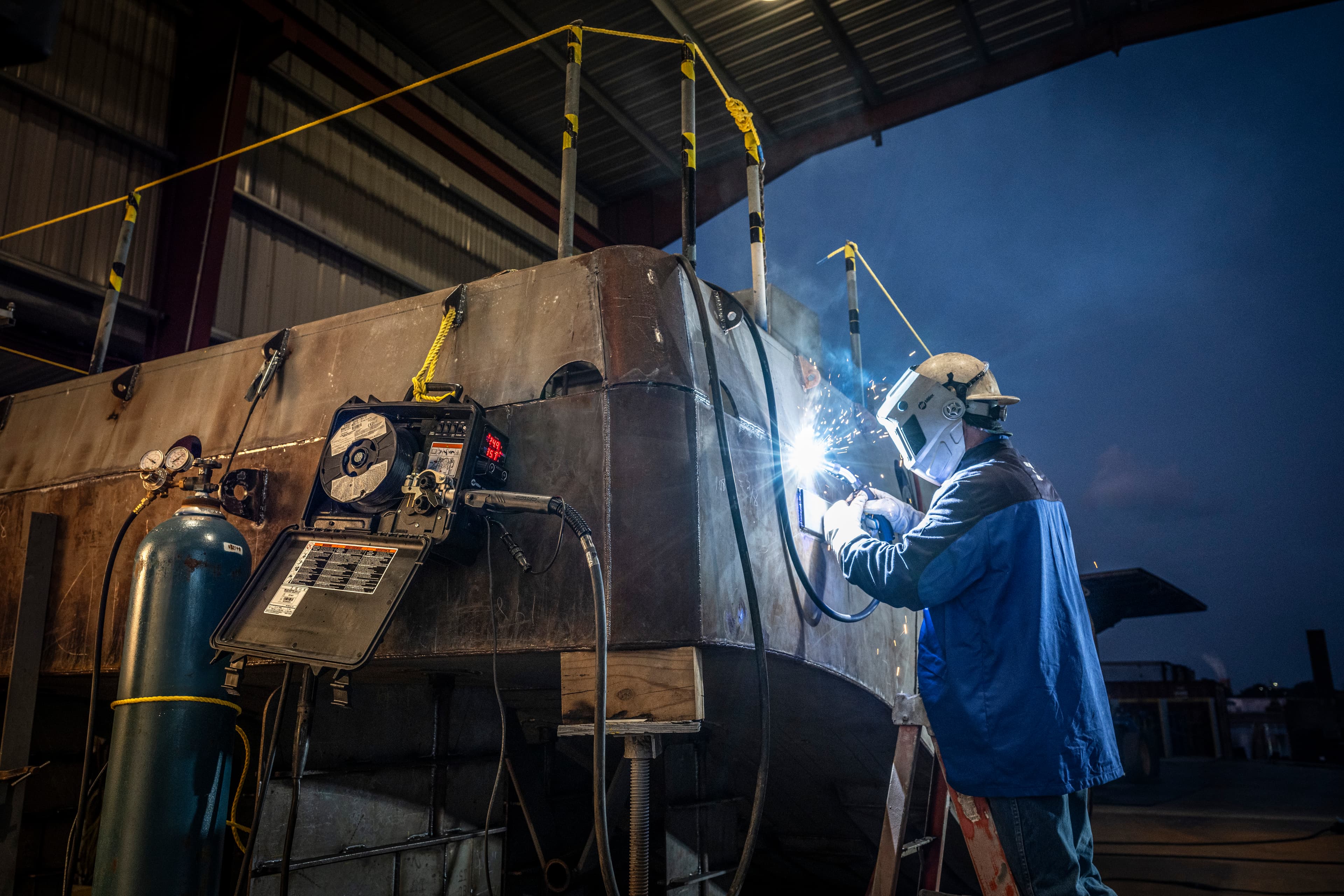
Integrating Miller ArcReach technology into your fleet can transform your welding operations and enhance welding workplace safety.
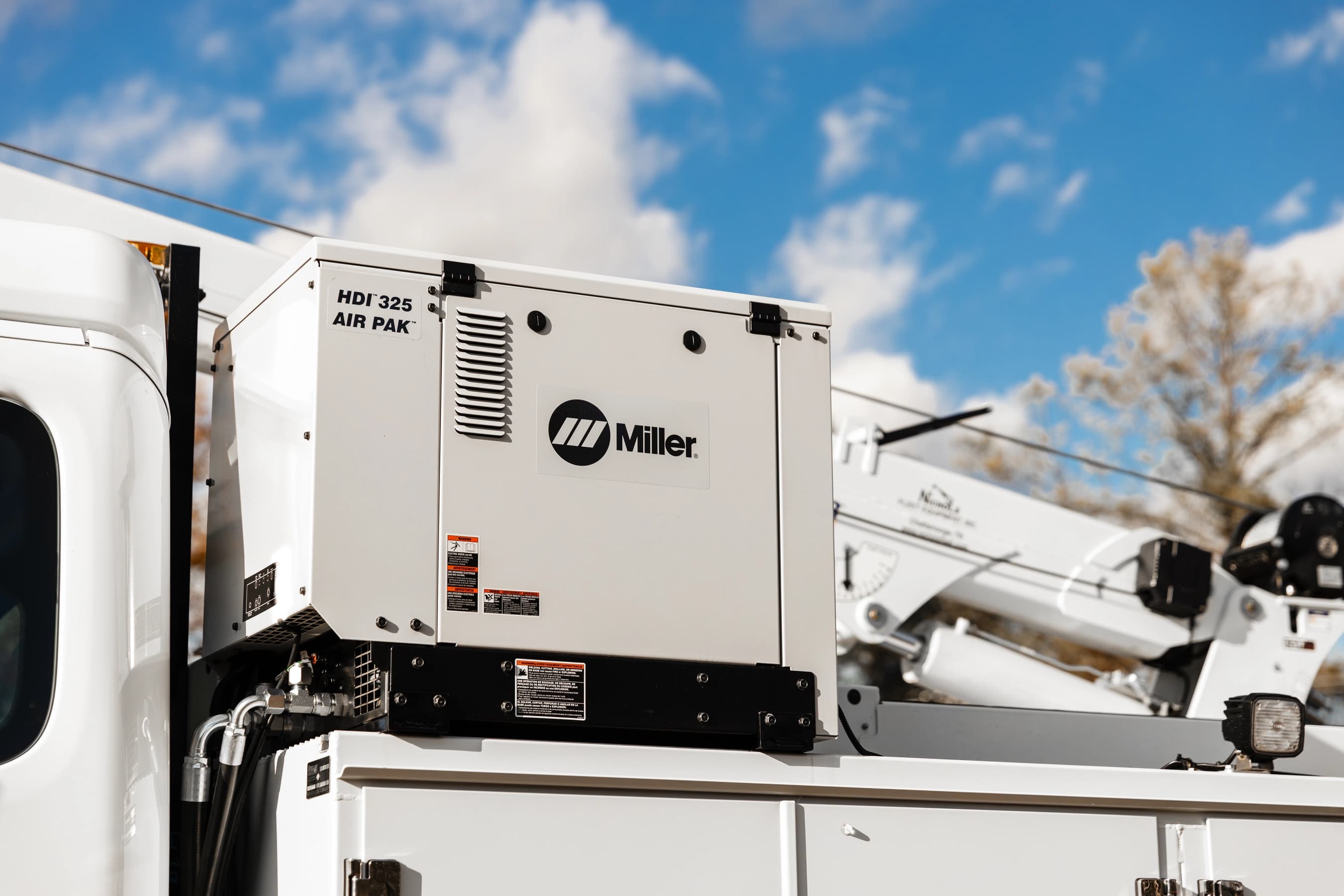
The hydraulically driven all-in-one unit, featuring a welder, air compressor, and battery charge/crank assist, effectively addresses and eliminates the most common pain points that work truck operators frequently encounter.
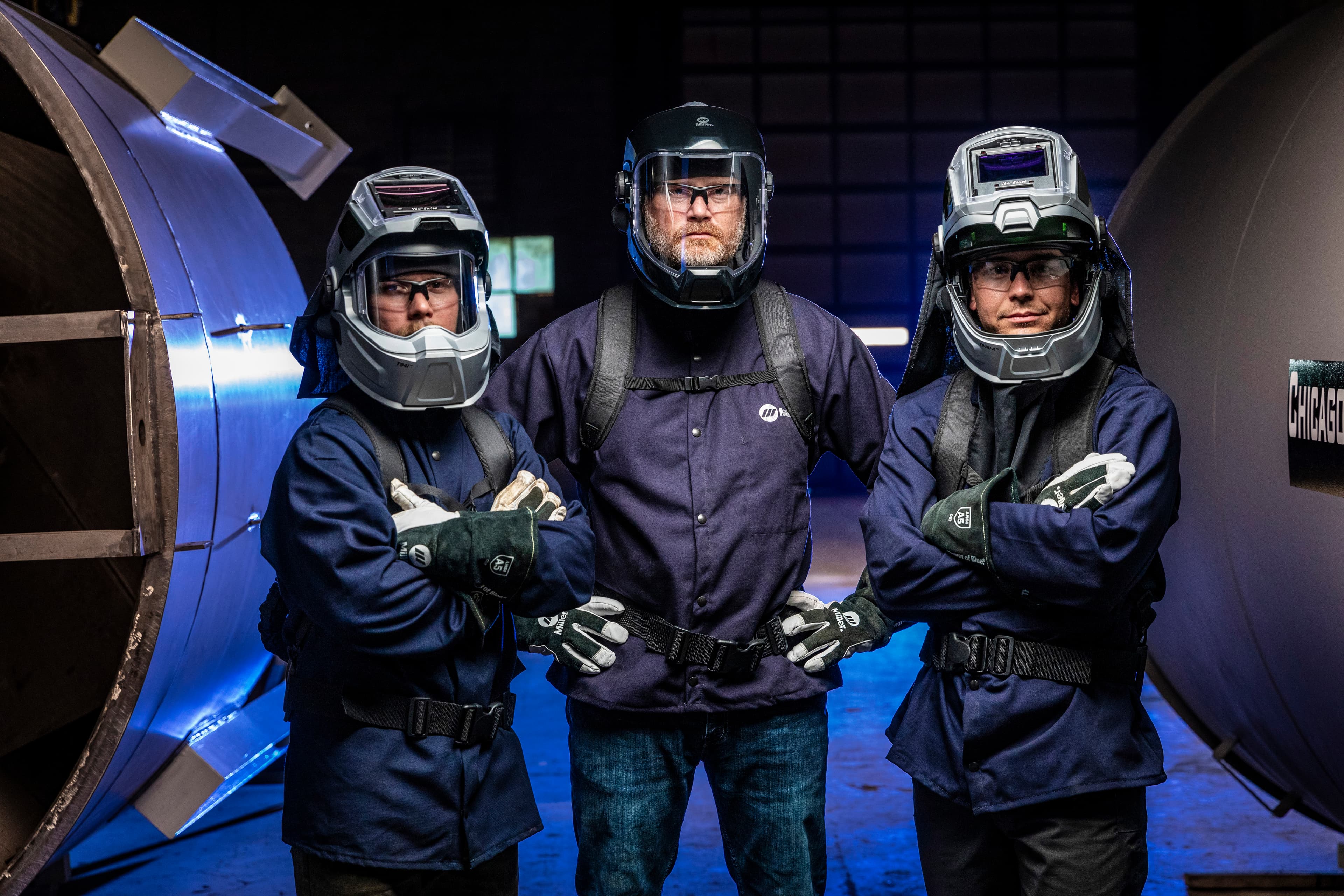
The all-new lineup of powered air purifying respirator solutions delivers comfort, convenience and compliance so operators can spend more time welding, safely.
With the Millermatic 355 MIG welder and pulsed MIG welding, Osage Ambulances increased productivity while maintaining high quality standards.
The type of work you do and where you’re doing that work are good indicators to help decide which is the right engine-driven welder for you.
For tack welds and welding repairs on jobsites, see how a portable, flexible stick/TIG welder helps operators get quick welding done in any location.
New technology in welding makes it possible to supplement the skillsets of both newer and seasoned operators and augment production quality and productivity. Explore these innovations today.
Achieve accurate and efficient welds with Auto-Set™ technology. Automatically adjust your welding machine settings for optimal performance and quality.
The latest auto-darkening lens technology from Miller — ClearLight Lens Technology — improves visibility by allowing a greater range of colors through.
Productivity is a key component in meeting construction deadlines. Learn how available technology on new XMT® 650 ArcReach® Systems can keep projects on track.
Across various job sites, the Venture 150 S proves to provide exceptional performance, decrease downtime, and increase productivity.
The Hercules MIG welding system delivers high deposition rates and high weld quality, creating faster weld times for increased productivity and efficiency.
This case study explores how a mobile welding business adopted the Trailblazer® 330 Air Pak™ welding solution to tackle varied jobs with a versatile welder.
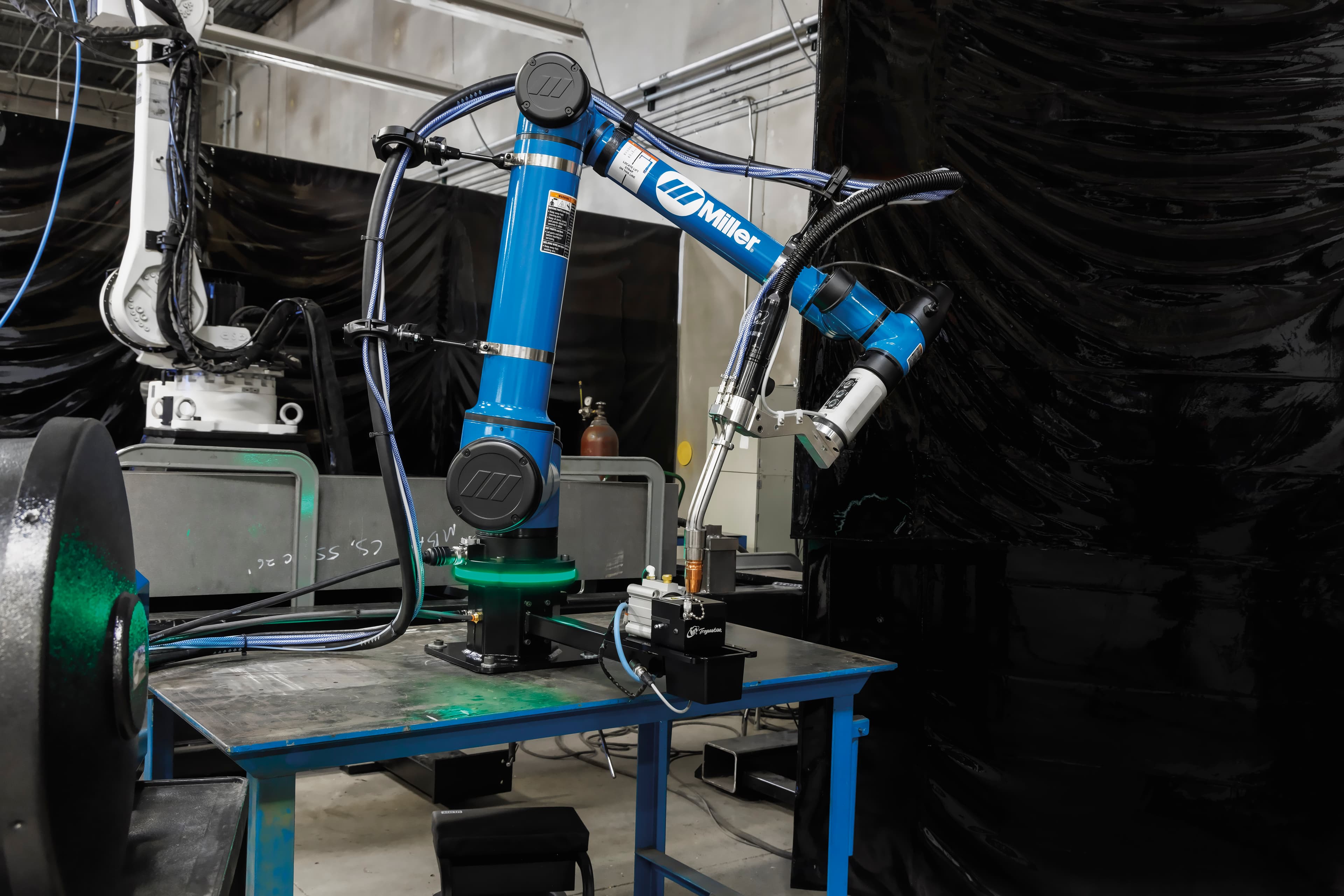
The original Copilot™ and Copilot Builder™ simplify welding automation for any workspace or application. Explore the Copilot welding systems today.
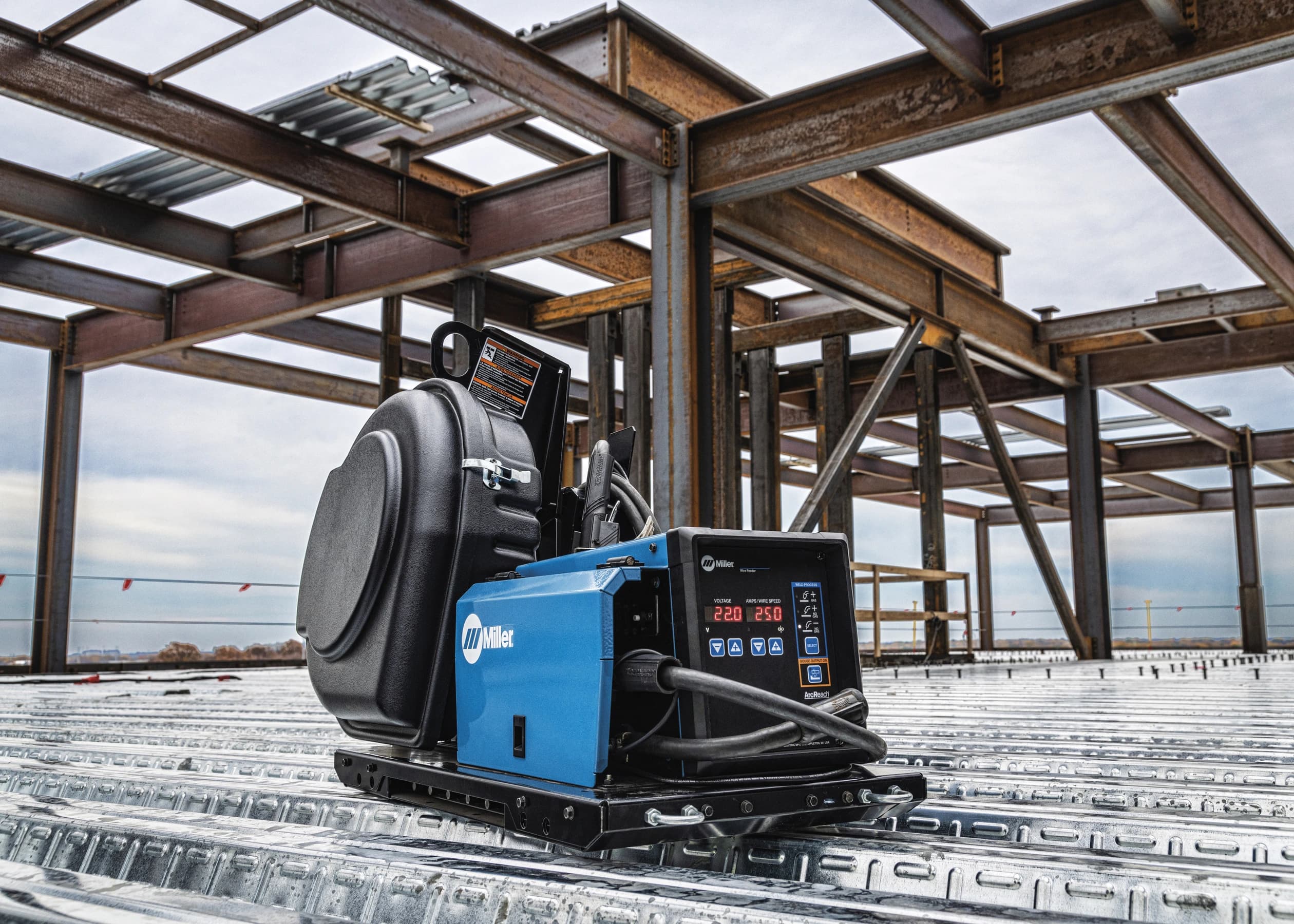
Learn what ArcReach technology is, how it works and how it helps welders adjust parameters at the weld joint so they can do their best work.
Discover the importance of 1/1/1/1 clarity ratings in welding helmets and see how ClearLight 2.0 lens technology enhances visibility for optimal performance.
No matter the welding process or material, here are six questions to help determine what filler metal to use for your home welding projects.
Learn the basics of TIG welding in motorsports applications and the proficiency of a TIG welder on aluminum and chrome-moly.
Wheeler CAT significantly reduced engine idling, to an average of 1% on a truck with a fully integrated cab heating and cooling system.