Article
3A Sanitary Welding: What Clean, Repeatable TIG Welds Require in Food and Beverage Fabrication
Sanitary TIG welding demands precision. Learn how heat input, arc stability and prep impact clean, repeatable welds in food-grade fabrication.

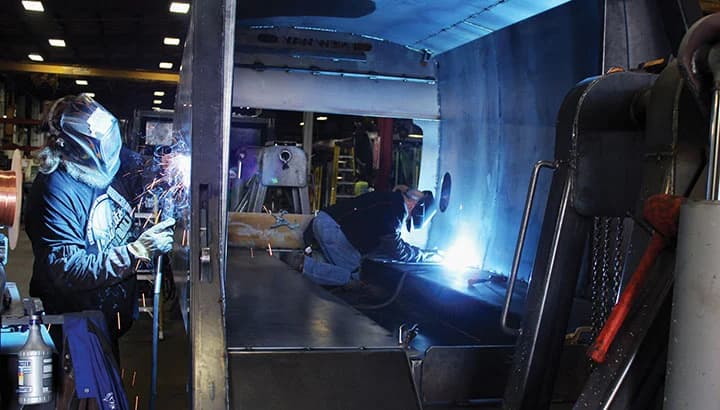
From equipment to filler metals and consumables, there is plenty to keep track of in a welding operation — and plenty of opportunity for mistakes to occur. But that doesn’t have to be the case.
With a little know-how, you can avoid common welding mistakes, like these listed below, that can negatively impact quality, productivity and the bottom line.
Repurposing old or dilapidated power sources, welder/generators or wire feeders can cause downtime and unexpected costs for troubleshooting problems related to dated equipment and technology. You should consider investing in newer technologies when possible.
Often, new equipment can provide you with a quick return on investment (ROI) and greater long-term savings by offering:
Performing a thorough cost-savings analysis before buying new equipment can help you assess payback and justify the expenditure.

Miller Deltaweld Systems: New Standard in Manufacturing
Using a MIG gun with too-high or too-low amperage can lead to unnecessary costs for purchasing or replacing this equipment. Since there is downtime for part preparation, movement and/or fixturing, welding is typically intermittent. You may be able to use a gun with lower amperage or a lower duty cycle to gain maneuverability and reduce costs and fatigue.
However, if you have a high-amperage application or require longer periods of welding, use a higher amperage gun to avoid overheating. Be aware welding gun rated amperages are based on the percentage of carbon dioxide shielding gas used. As such, the use of a mixed argon/carbon dioxide shielding gas may lower the duty cycle from the specified rating.
Due to the initial up-front cost savings, you may be tempted to purchase less expensive filler metals. Doing so can often lead to greater long-term costs and lower productivity levels. Low-quality filler metals are often associated with issues like:
Look at the total cost of using a filler metal, including activities such as applying anti-spatter and post-weld grinding or rework. These may increase costs for labor that could be offset by a higher-quality and more expensive wire that provides better weld quality and productivity.
Skipping steps in weld preparation can lead to weld defects, rework or scrapped parts. There are several best practices to keep in mind to gain welding quality assurance.
How to Troubleshoot MIG Welding Problems
Avoid preheating too little or skipping this portion of the welding procedure. Preheating deters cracking, since it slows down the cooling rate after welding. The type and thickness of the material you are welding will determine preheat and interpass temperature. You can find these requirements in the WPS or welding codes.
For the best results when welding carbon steel, preheat the material completely through and extend the heated area to approximately 3 inches on either side of the weld joint. Begin welding while the material is at or above the preheat temperature. Take care not to allow the weldment to cool below the required interpass temperature, as it can lead to cracking.
Using the correct type and/or mixture of shielding gas helps prevent weld defects, minimize spatter and reduce costs for rework or post-weld cleanup. Each gas offers distinct characteristics.
For both MIG and TIG welding operations, be sure shielding gases meet the purity requirements of the application and that gas delivery systems are free of contaminants.
Set the proper gas flow. Too little gas flow won’t properly shield the molten weld pool, while too much flow can cause weld pool turbulence.
Some best practices to follow:
The gas line should be as short as the application allows. Long hoses allow pressure to build up and be released when welding begins, causing an unstable arc, spatter and possible porosity.
The gas regulator, which helps ensure the correct gas pressure, should be located as close to the feeder as possible. When the regulator is located too far from the feeder, it can result in a surge of gas.
Storing filler metals in an area where they are prone to accumulating moisture or exposed to other contaminants (e.g. dirt, oil or grease) adversely affects their performance. To prevent damage, store filler metals in a dry, clean area with a relatively constant temperature until they are ready for use. Refer to the manufacturer’s recommended storage practices and be aware that welding codes may also specify requirements for storage.
Overlooking the importance of consumables can lead to a host of problems, including:
Always select the appropriate style and size of nozzle for the application, properly trim and install liners according to the manufacturer’s recommendations and select a contact tip that matches the wire diameter.
You should avoid the temptation to purchase less expensive, lower quality consumables, as they typically do not last as long or perform as well as OEM products. This can lead to more downtime and greater costs for purchasing and changeover.
Preventive maintenance is a frequently overlooked part of the welding operation, but it is critical to reducing unscheduled downtime and keeping costs low.
Regular care and inspection of the power source, welding gun, consumables and wire-feeding system can ensure optimal performance and productivity. This maintenance can be planned during routine pauses in the welding operation.
Never overlook the value of training or retraining. Investing time and money into building welders’ skill sets can yield significant long-term benefits, including greater efficiencies and quality throughout your operation. Proper training can give you a competitive edge over companies who have less-skilled labor and it promotes greater teamwork among employees.
Typically, training opportunities are available through equipment and filler metal manufacturers or welding distributors. Some technical colleges also offer training for specific applications and markets.
Making mistakes is human nature — but with some careful consideration, it is easy to avoid the more common ones in your welding operation. Measuring long-term savings versus cutting costs up front is a particularly good way to avoid pitfalls that could lead to excessive downtime, quality issues or lost productivity. And it can have an excellent impact on your bottom line.
Posted Feb 27, 2024
Sanitary TIG welding demands precision. Learn how heat input, arc stability and prep impact clean, repeatable welds in food-grade fabrication.
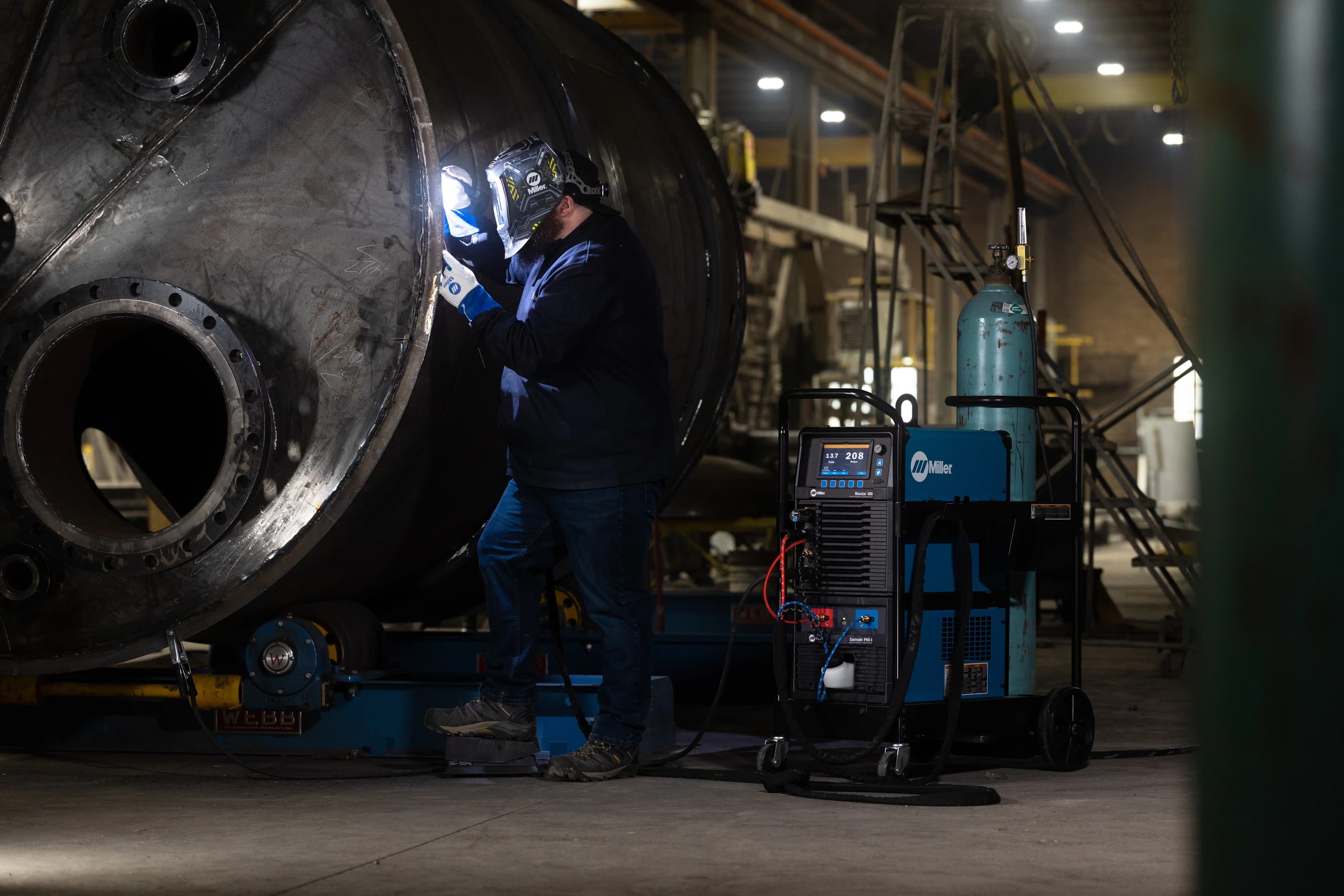
Good-grade welding requires strict controls to prevent contamination. Learn five common mistakes and how to improve weld quality, consistency and durability.
Discover how low-heat welding processes help reduce sugaring, heat tint and distortion in stainless steel for cleaner, more sanitary applications.