Article
3A Sanitary Welding: What Clean, Repeatable TIG Welds Require in Food and Beverage Fabrication
Sanitary TIG welding demands precision. Learn how heat input, arc stability and prep impact clean, repeatable welds in food-grade fabrication.

Brian Bellile
Market Segment Manager
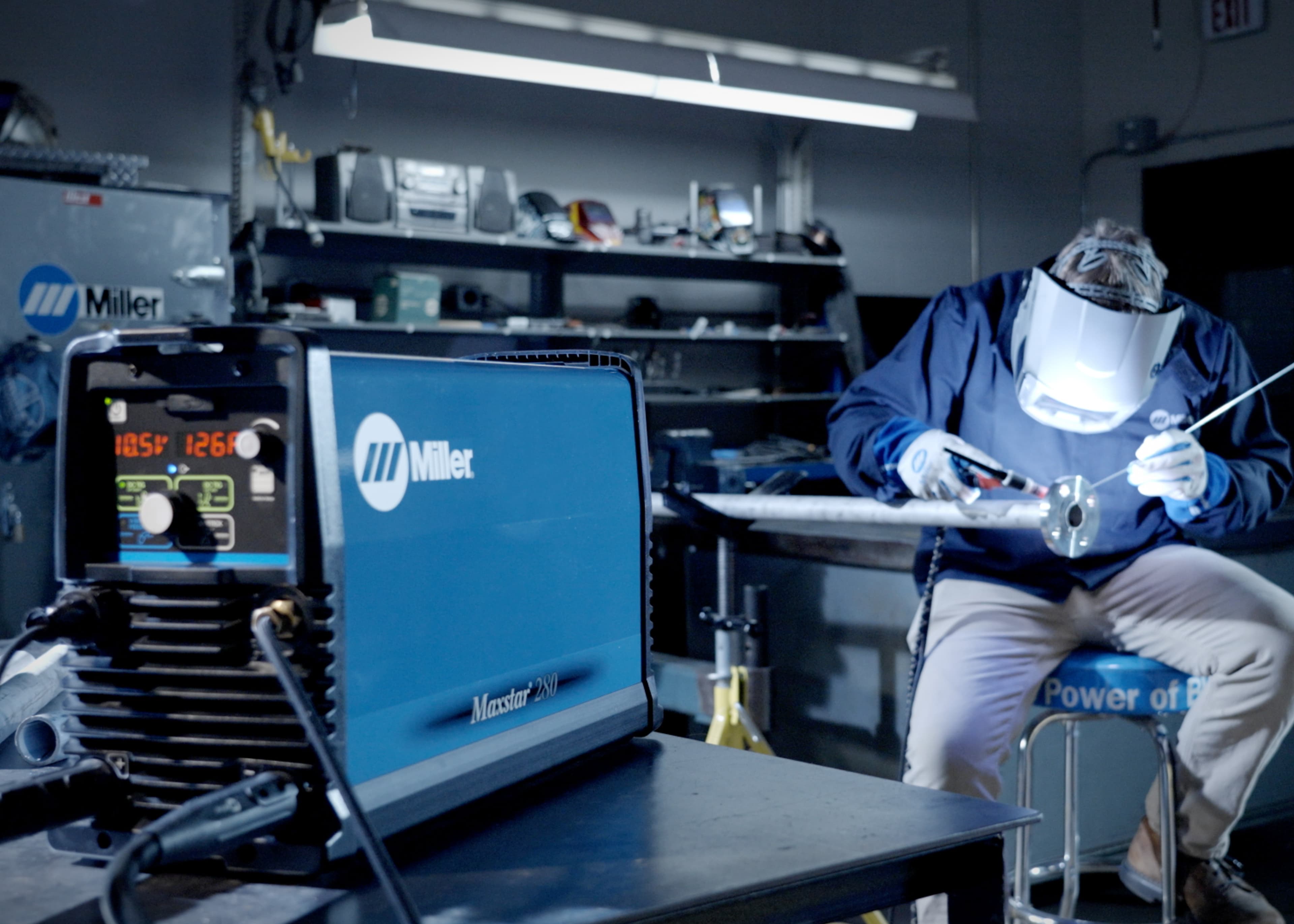
In food and beverage fabrication, stainless steel TIG welding requires producing joints that are smooth, cleanable, corrosion‑resistant and repeatable because sanitary environments leave little room for error. Surface condition, heat input and weld consistency all directly affect whether a component can stand up to washdowns, inspection and long‑term service without becoming a contamination risk.
That’s why TIG welding remains the process of choice for food‑grade stainless steel, and why welders must approach it differently than general stainless work.
From a sanitary standpoint, the biggest difference isn’t code complexity — it’s expectations. Welds in food and beverage applications are scrutinized for strength or leakage, but even more so for surface quality. Any imperfection that creates a crevice, pit or rough transition can become a place where product residue or bacteria collects. That applies to both sides of the joint. In piping especially, the backside of the weld must be just as clean as the front, which is why purging and controlled heat input are standard practice.
Joint design also matters more than many fabricators initially expect. Tight corners, poor access or hard‑to‑reach weld locations increase the likelihood of undercut, arc wander or inconsistent bead profiles, all of which compromise cleanability. Sanitary fabrication favors joints that are accessible for welding, inspection and post‑weld finishing.
Heat tint is one of the most visible indicators of whether a stainless TIG weld is truly sanitary. Light straw coloring is typically acceptable, but darker blues, purples or a burnt appearance signal excessive heat input. That matters because overheating stainless steel degrades corrosion resistance in both the filler metal and the surrounding base material. Once those material properties are altered, polishing alone may not restore performance.
In food processing environments that rely on frequent cleaning and exposure to moisture, those weakened zones become long‑term sanitation risks. In many cases, heavily overheated welds aren’t candidates for rework; fabricators may be forced to cut out entire sections or scrap the component altogether. Consistent, controlled heat input helps welders avoid that scenario in the first place.
Sanitary TIG welding rewards precision. Unstable arcs, wandering starts or inconsistent amperage make it harder to control bead shape and overall heat input, especially on thin‑gauge stainless or small‑diameter tubing.
Stable arc starts allow welders to establish the puddle quickly and accurately without overusing the pedal. The faster the arc stabilizes where it’s intended, the less excess heat is introduced into the joint. That level of control becomes even more important at very low amperages. Many food‑grade stainless applications require welding at one or two amps, where even slight fluctuations can affect bead appearance, heat tint and penetration consistency. Machines like the Miller® Maxstar®, which deliver smooth, repeatable output at low amperage, give welders the ability to stay within that narrow sanitary window.
While material prep is important for any TIG application, sanitary welding places added emphasis on contamination control. Stainless components should arrive at the weld clean and free from residue, but excessive grinding or aggressive pre‑weld cleaning can actually introduce problems. Using shared abrasives or contaminated tools risks embedding foreign material into the stainless surface, which can show up later as weld defects or corrosion points.
In many food and beverage shops, the bulk of surface finishing happens after welding rather than before. That approach keeps the base material clean leading into the weld and focuses effort on refining the final surface.
Contamination during welding is still a concern, particularly due to tungsten inclusions. Touching the tungsten to the base material — or dipping filler into the electrode — introduces foreign material that weakens the weld and becomes visible during polishing or inspection. Reliable high‑frequency arc starts help reduce that risk by eliminating the need to scratch or drag start the arc.
Meeting tight sanitary expectations doesn’t require changing proven TIG techniques, but it does benefit from modern machine capabilities. The Miller Maxstar, an advanced DC TIG system, provides precise amperage resolution, stable low‑amp performance and consistent arc characteristics that help welders control heat input from start to finish. Features like tailored arc‑start routines, refined high‑frequency starting and optional pulsed TIG allow welders to fine‑tune arc behavior without adding unnecessary complexity.
In applications where pulse TIG is beneficial, the goal is the same: a more focused arc, improved puddle control and reduced overall heat input. For welders working long shifts or in confined spaces, quieter pulse technologies help deliver those benefits without the fatigue or distraction traditionally associated with pulsing.
Together, those capabilities support repeatable, inspection‑ready welds — the kind required for stainless components used in food and beverage processing.
In sanitary stainless-steel fabrication, the acceptable range of variation is significantly smaller than in general welding applications. Weld quality affects not only appearance, but cleanability, corrosion resistance and long‑term performance in regulated environments.
By focusing on arc stability, heat control and surface condition — and using TIG equipment capable of precise, low‑amp control — welders can consistently produce stainless steel welds that meet the sanitary expectations of food‑grade applications while minimizing rework and scrap.
Posted Jul 7, 2026
Sanitary TIG welding demands precision. Learn how heat input, arc stability and prep impact clean, repeatable welds in food-grade fabrication.
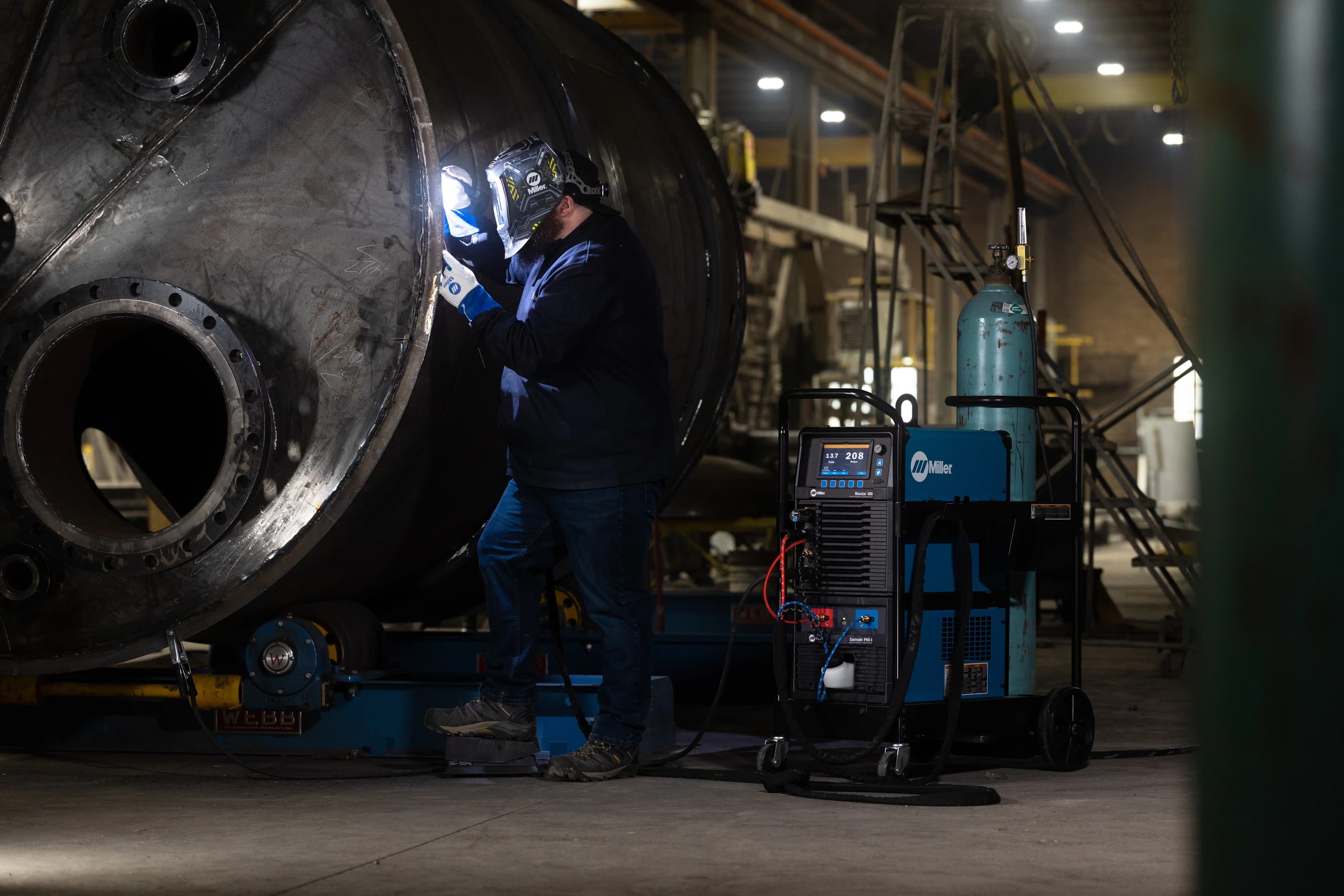
Good-grade welding requires strict controls to prevent contamination. Learn five common mistakes and how to improve weld quality, consistency and durability.
Discover how low-heat welding processes help reduce sugaring, heat tint and distortion in stainless steel for cleaner, more sanitary applications.