Article
Are You Running a Fabrication or Manufacturing Welding Operation?
Understand welding fabrication vs. manufacturing and discover practical tips to sharpen your competitive edge in the industry.

Your welding business launched and you’re ready to take on more jobs. What does it take beyond hustle and hard work?
Here are six tips on building your business from professional welders who have been there:
When you’re looking to grow your business, it’s especially important to take on all kinds of jobs that help you build skills and contacts. While you may have a niche you want to focus on, gaining experience across a wide range of applications and industries makes you more versatile and puts you in front of more potential clients.
Take on a lot of different jobs and then be willing to pivot — even to places you might not expect.
David Oliver transitioned from running a small fabrication business to creating videos and how-to content while working on his own welding projects.
Take different jobs and network within your welding community so you can support your peers and be a participant, and you will pick up all kinds of skills along the way.
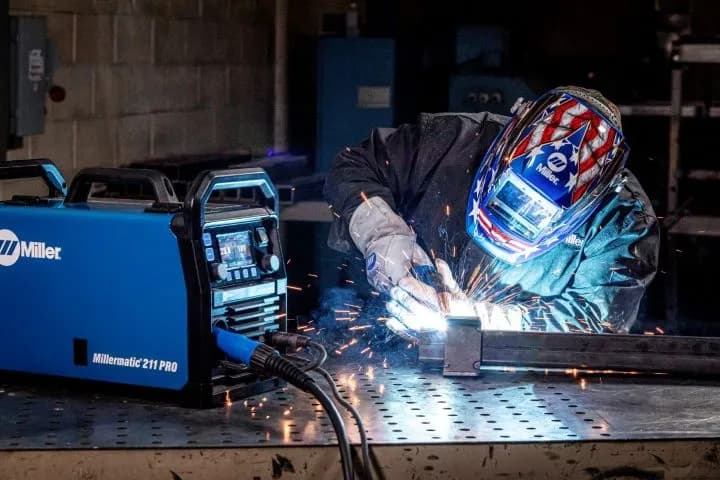
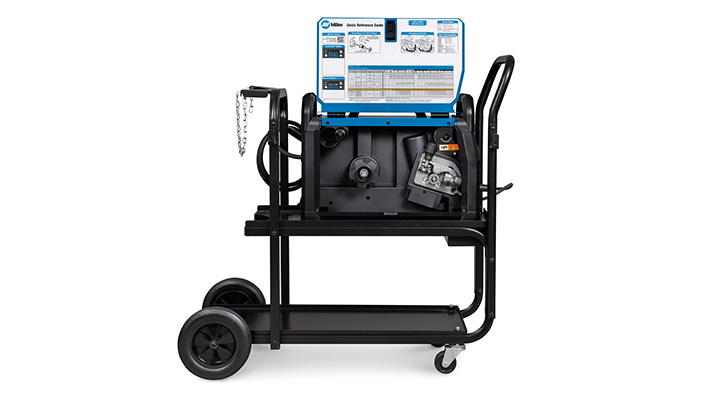
Investing in welding power sources and accessories that allow you to weld various materials, including aluminum and stainless steel, can set you apart and allow you to take on more jobs. An all-in-one welder such as the Millermatic® 211 PRO is a good investment that increases your efficiency and expands your welding capabilities.
Be willing to hustle and take on welding jobs that may carry over into nights and weekends. It’s a good way to impress customers, make contacts, and get your work and name out there. But be careful to avoid burnout and taking on too much.
I’ve had some jobs where I worked probably 40-some days in a row on a big project. I’ve done back-to-back bar restaurant jobs and worked my butt off,
Gregg Whitehall, who turned his welding side hustle into a full-time business three years ago.
But I make hay when the sun shines, and I don’t mind that.
While being your own boss means you can work as much as you want to work to kickstart growth, it’s important to know your limits to keep yourself sane and the quality of work high.
Be respectful of your own time, which is still something I have to practice today. Sometimes you think your own time is free, so you don’t build it into your costing. But that's not a sustainable model.
Starting a welding business with just a few pieces of essential welding equipment and other tools is a smart way to avoid taking on too much debt. However, as you look to grow, it’s smart to invest in equipment and tools that can help you take on more jobs and expand your offerings.
David Oliver recommends:
The idea that you need every tool is a great way to max out your credit line and deplete all your cash. Have the tools that you need to make money, then add tools strategically.
Powell, owner of S.M.T Metals, shares her experience:
I pretty much started my business off of one welding machine. Then when I moved into my larger space, I saved up to get a giant Ellis saw and massive welding table and just started stacking equipment up. I'm obviously always buying tools, but nothing really too big.
Investing in a fixture table can significantly improve repeatability in your shop setup. Leaning on friends in the industry to borrow tools or equipment that you don’t have is another good option.
As you aim to grow, investing in versatile and high-quality equipment becomes crucial. The Millermatic 211 PRO MIG welder is a good option for shops that need to efficiently manage a variety of materials and projects.
As you grow and build a stable roster of customers, you can decide which jobs to take and which to pass on. While it’s a good idea to take on all kinds of jobs when you’re just getting started, as you grow you can be more selective. Perhaps you find that you prefer jobs in a certain industry or for a certain type of customer. Understanding what you enjoy most and do best can help you choose jobs and manage your schedule.
You may find that some industries or types of customers provide more steady, lucrative work than others.
For example, Whitehall only takes commercial jobs with other businesses and avoids residential work for private customers. He has found this method to be more efficient and a good way to build repeat business. Networking within the welding community or the local manufacturing industry can help you establish contacts that can turn into referrals.
Gregg Whitehall:
I have built this customer base that is probably 80% repeat business, just a constant flow of work with a few industrial customers. Being a maker’s maker for other businesses is way more efficient.
It also helps to be diverse in your customer base. If you’re working mostly with manufacturing and that industry slows down, it’s good to have customer contacts in the restaurant and bar industry or in heavy equipment to pick up the slack.
Don’t be reliant on any one industry, A little diversity doesn’t hurt.
Hiring employees is a great way to significantly build your business through expanded capacity and the ability to take on more jobs. Your time is finite, after all. If you grow to the point where you want to hire employees, make sure they share your priorities about weld quality and customer service. Any employee is an extension of you and your reputation.
It can also be helpful to invest in welding equipment with technologies that make it easier for welders of all skill levels to produce quality welds. Some machines offer programs with predefined weld settings to increase ease of use and ensure that the job is done right.
Powell is a one-woman show at S.M.T. Metals, but she occasionally hires help when she needs it, such as for project installs to speed up that process.
I have a handful of people I can reach out to and hit them up when I need help
Social media can be a great tool for small business owners to grow their welding business. It’s also an affordable way to build an online community that supports your brand.
Oliver was a hobby welder who turned that passion into a side hustle of building things for other people. But he realized what he really enjoyed was working on his own welding projects and using those projects as teaching moments for beginner to intermediate welders.
Social media helped him turn that into a side business. He creates welding content for YouTube and partners with tool and equipment companies. His social media advice to other small business owners is to remember to represent who you really are without exaggeration and to keep your content focused on the work.
David Oliver recommends:
Be yourself, let your genuine self come out, work very hard to take care of your audience and show them things that are valuable on a consistent basis, and take the time to write a good description and take a good photo. If you’re a fabricator, be very transparent about the settings you used and what your process was.
It’s also a good idea to study other successful welding social media accounts to see what hashtags they use. This helps make your content more searchable.
Growing a welding business requires more than just technical skills; it demands strategic thinking, dedication and the ability to adapt to changing circumstances. By following the expert tips shared by professional welders, you can build a strong foundation for your business.
Posted May 30, 2025
Understand welding fabrication vs. manufacturing and discover practical tips to sharpen your competitive edge in the industry.
Ready to expand your welding business? Here are six tips from successful professional welders and fabricators on how to grow your welding business.
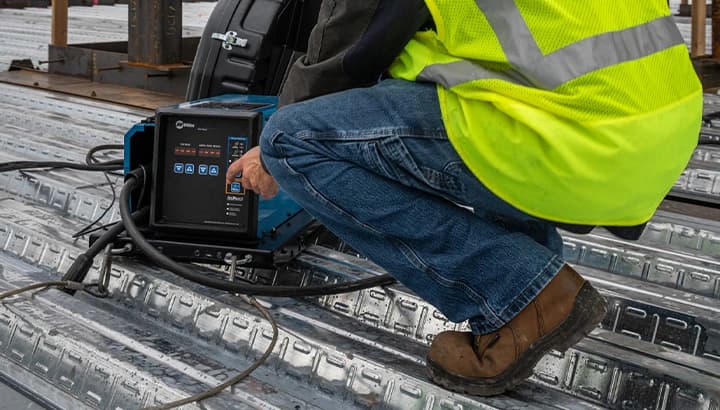
Cut construction welding costs with new welding technology. Discover how upgraded equipment can improve efficiency and save your operation money.