Article
3A Sanitary Welding: What Clean, Repeatable TIG Welds Require in Food and Beverage Fabrication
Sanitary TIG welding demands precision. Learn how heat input, arc stability and prep impact clean, repeatable welds in food-grade fabrication.

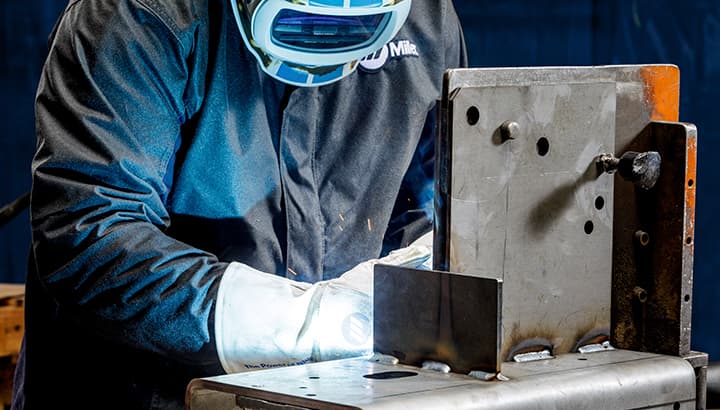
Common manufacturing myths about grinding, arc-on time and spatter may be holding you back from making the right changes.
Are inefficiencies or rework in your welding cell dragging down productivity in your entire operation?
Some common manufacturing myths may be holding you back from making the right changes — or even from knowing where improvements are needed. Whether your goal is to control spatter or to increase arc-on time, knowing the facts can help you make improvements.
Learn more about six common myths in manufacturing so you can separate fact from fiction and keep your welding operation ahead of the competition.
Many people overestimate arc-on time in their operation. Welders often spend their time on tasks that are not value-added, such as grinding spatter or replacing consumables. Operations may also consider activities like part fit-up and machine setup as part of the welding time figure. However, those tasks shouldn’t be included when tracking arc-on time.
Welders are often premium employees in a manufacturing operation. It’s important to keep them under the hood as much as possible.
You can’t improve what you don’t measure. Miller® Insight Welding Intelligence™ is a welding information solution that provides valuable data and measures welder arc-on time in each weld cell, which operations can use to increase productivity and manage costs.
With this data, operations get visibility into where non-value-added activities can be shifted to other areas to free up welder time for welding.
Stop thinking of grinding and rework as part of the process. These non-value-added activities cost a lot of time and money — and they can be avoided.
Taking the time to establish the proper weld parameters for the job can reduce or eliminate the time spent grinding and chipping to remove spatter. Training operators to use a shorter contact-tip-to-work distance can also help reduce spatter.
Deltaweld® systems from Miller offer EZ-Set technology, which makes it simple for operators to choose the right parameters and minimize spatter.
Want to reduce weld spatter? See how the right welder can help.
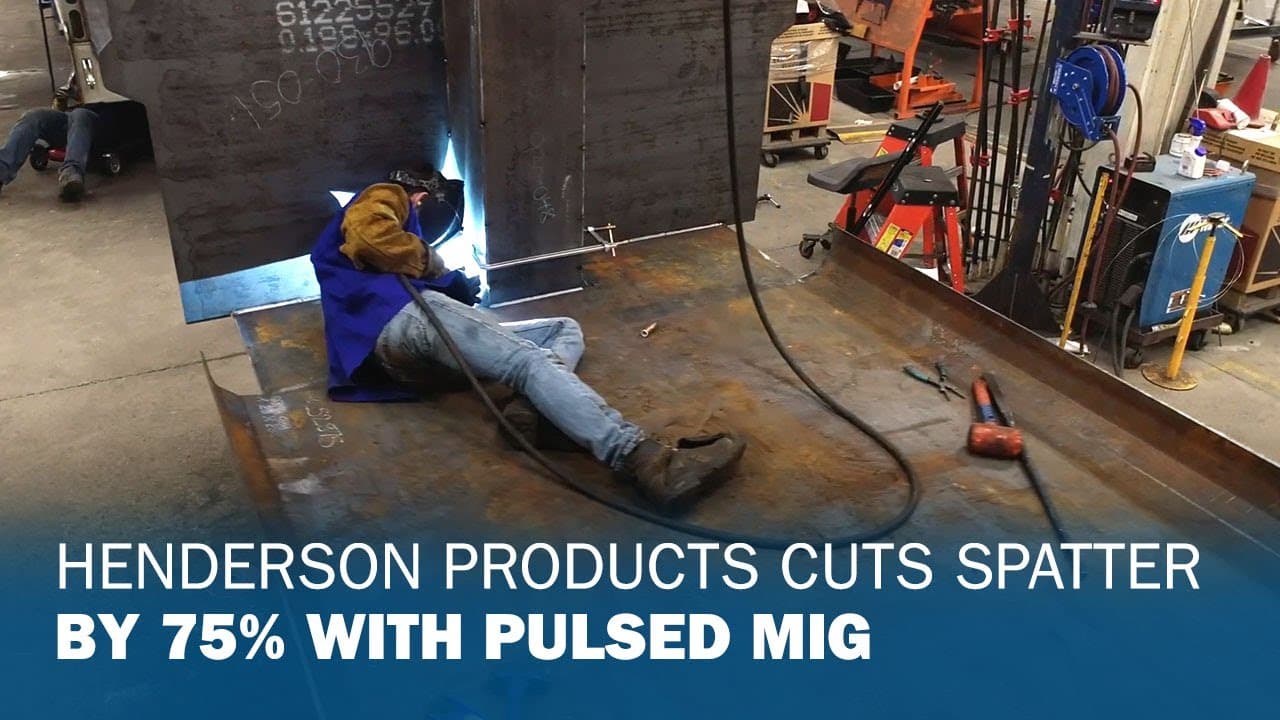
Henderson Products Cuts Spatter by 75% With Pulsed MIG
The belief that pulsed MIG is slower than conventional MIG welding may hold some operations back from making the switch. But pulsed MIG can provide productivity boosts for most applications.
When average weld current is maintained, along with adjustments to arc length and travel speed to maintain similar bead size, pulsed MIG welding typically provides faster travel speeds with lower spatter compared to conventional MIG.
Deltaweld systems from Miller deliver pulsed capabilities in an integrated package and offer Accu-Pulse™ technology, which provides a 28% wider operating window and a more forgiving arc to help speed up your operation.
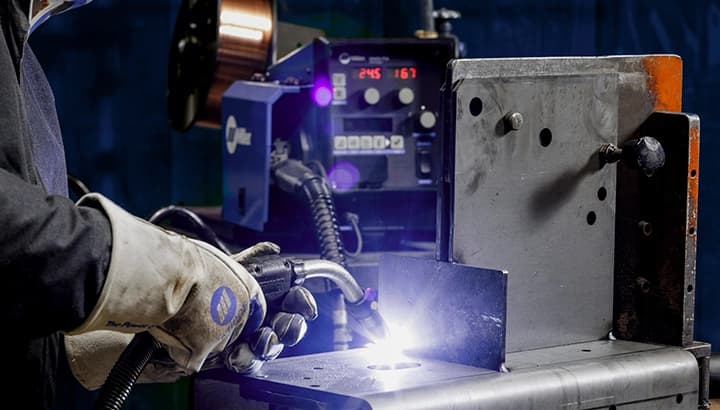
Large, customized automation cells provide benefits for many manufacturers. But they aren’t the right fit for everyone. Smaller, more nimble automation cells may be the answer for manufacturers who want to implement robotic welding. They are easy to install and get running quickly and don’t require as much overhead or labor to keep running.
Miller PerformArc™ robotic welding systems are available preassembled and prewired. Single power and air connections simplify the setup process, minimizing downtime so manufacturers can start using the robotic welding system faster.
Another option is the emerging technology of collaborative robots, or cobots. A cobot shares the same space as and collaborates with a human welder. A cobot could move parts into position while the human operator welds them together, for example.
Learn how one company invested in welding automation and saw a fast payback.

Welding Automation Investment Offers Company Fast Payback
Many manufacturers struggle to find experienced welders. Some are launching in-house training programs to help fill this gap. They may train a dozen new hires at the same time before sending them to the production floor.
In-house training isn’t limited to large manufacturers. There are affordable solutions available that can help smaller companies save time and money in welder training.
The AugmentedArc® Augmented Reality Welding System from Miller simulates multiple welding processes, blending real-world and computer-generated images into an augmented reality environment. This lets new welders build their muscle memory and learn the basics of welding without using any costly consumables or filler metal.
See how one manufacturer used the Miller LiveArc™ system to train welders.
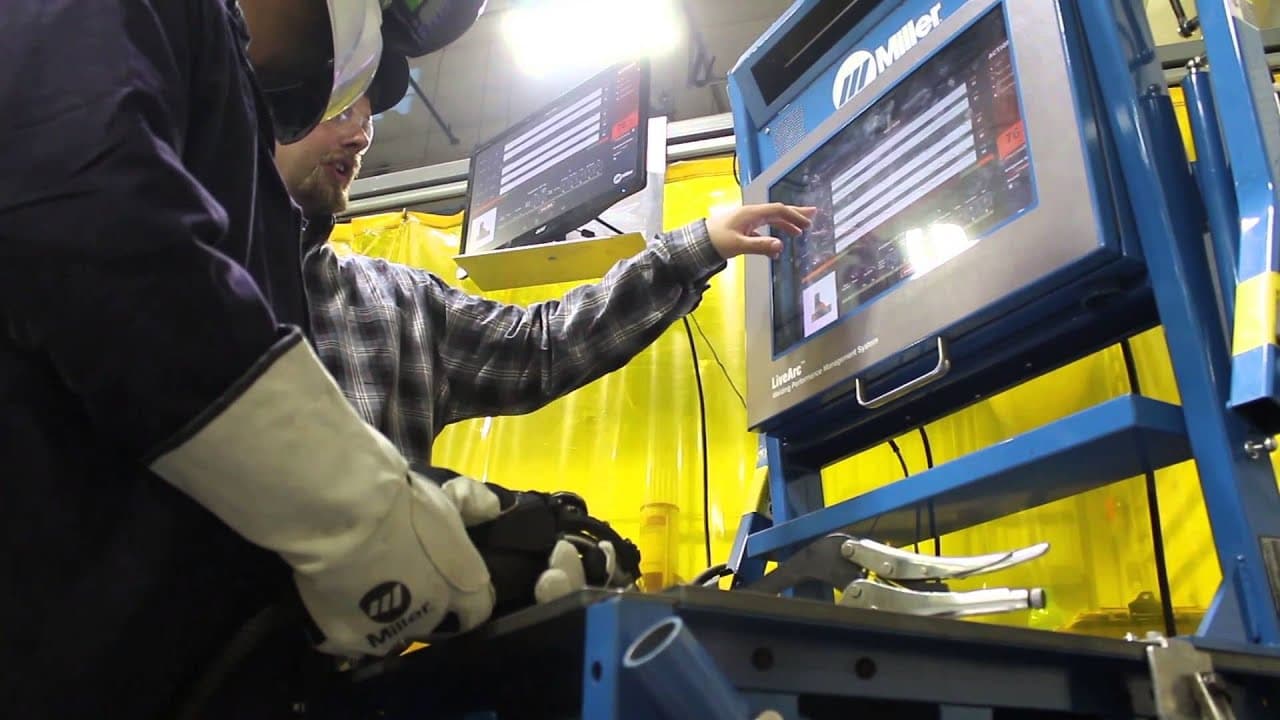
ALMACO Improves Welder Training with Miller LiveArc System
Investing in a welding intelligence system can provide data that helps you reduce rework and cut costly downtime in the operation.
Insight Centerpoint™ arc data monitoring software can provide real-time operator feedback and guided work instructions. This prevents missed welds and enforces proper weld sequences — to help ensure consistent quality.
When operations have complete traceability, they can trace defects back to their origins and adjust training or weld parameters to eliminate that defect.
Insight Centerpoint software is now available on Deltaweld® systems. By combining the ease of use features of Deltaweld systems with the work instructions and traceability of Insight, welding operators of all skill levels have the tools they need to efficiently make high-quality welds.
What benefits can a welding intelligence solution deliver?
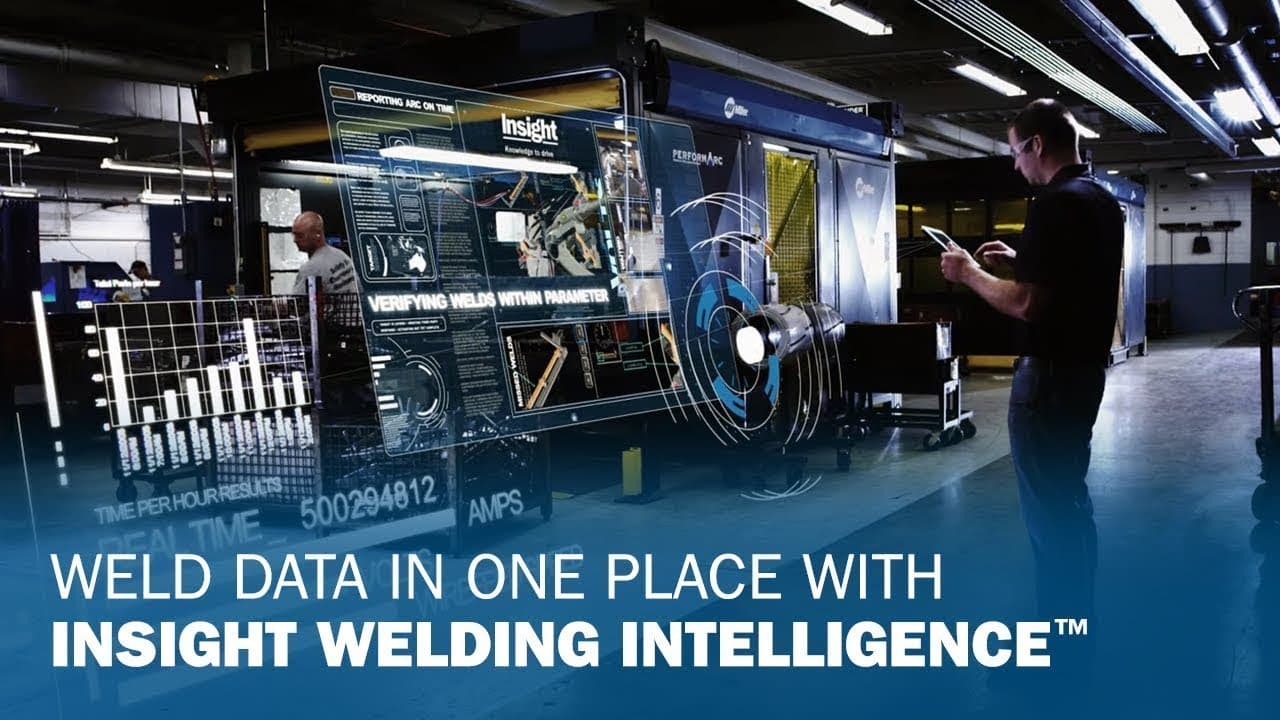
Weld Data In One Place With Insight Welding Intelligence
From rework and spatter to productivity and training, you might have numerous challenges you want to tackle in your manufacturing welding operation. Sorting out the myths from the facts regarding common welding issues can help you start making improvements.
Posted Jan 15, 2024
Sanitary TIG welding demands precision. Learn how heat input, arc stability and prep impact clean, repeatable welds in food-grade fabrication.
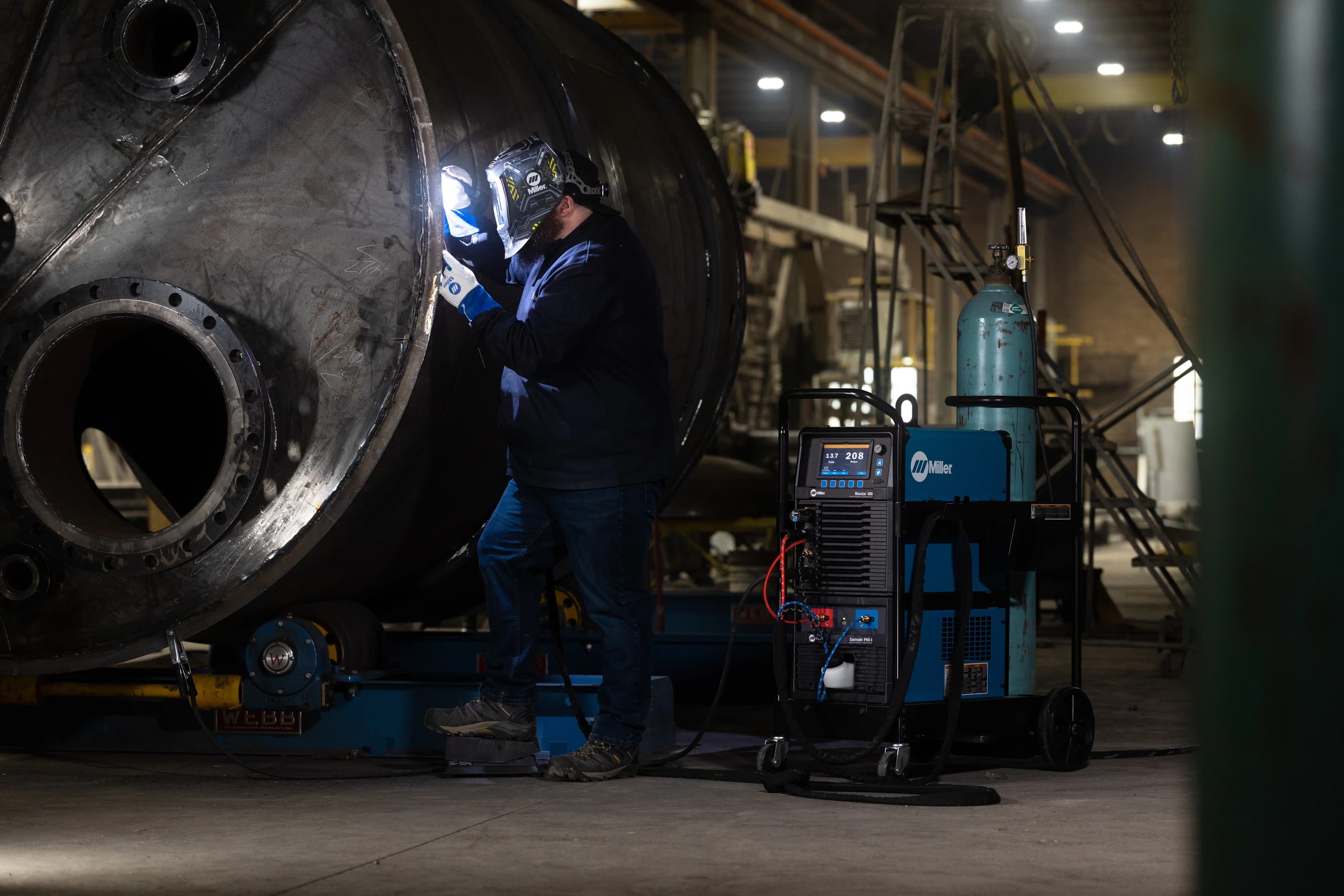
Good-grade welding requires strict controls to prevent contamination. Learn five common mistakes and how to improve weld quality, consistency and durability.
Discover how low-heat welding processes help reduce sugaring, heat tint and distortion in stainless steel for cleaner, more sanitary applications.