
Digital Performance™
Lightweight helmet with superior headgear for increased efficiency. Features ClearLight™ 4x Lens Technology.

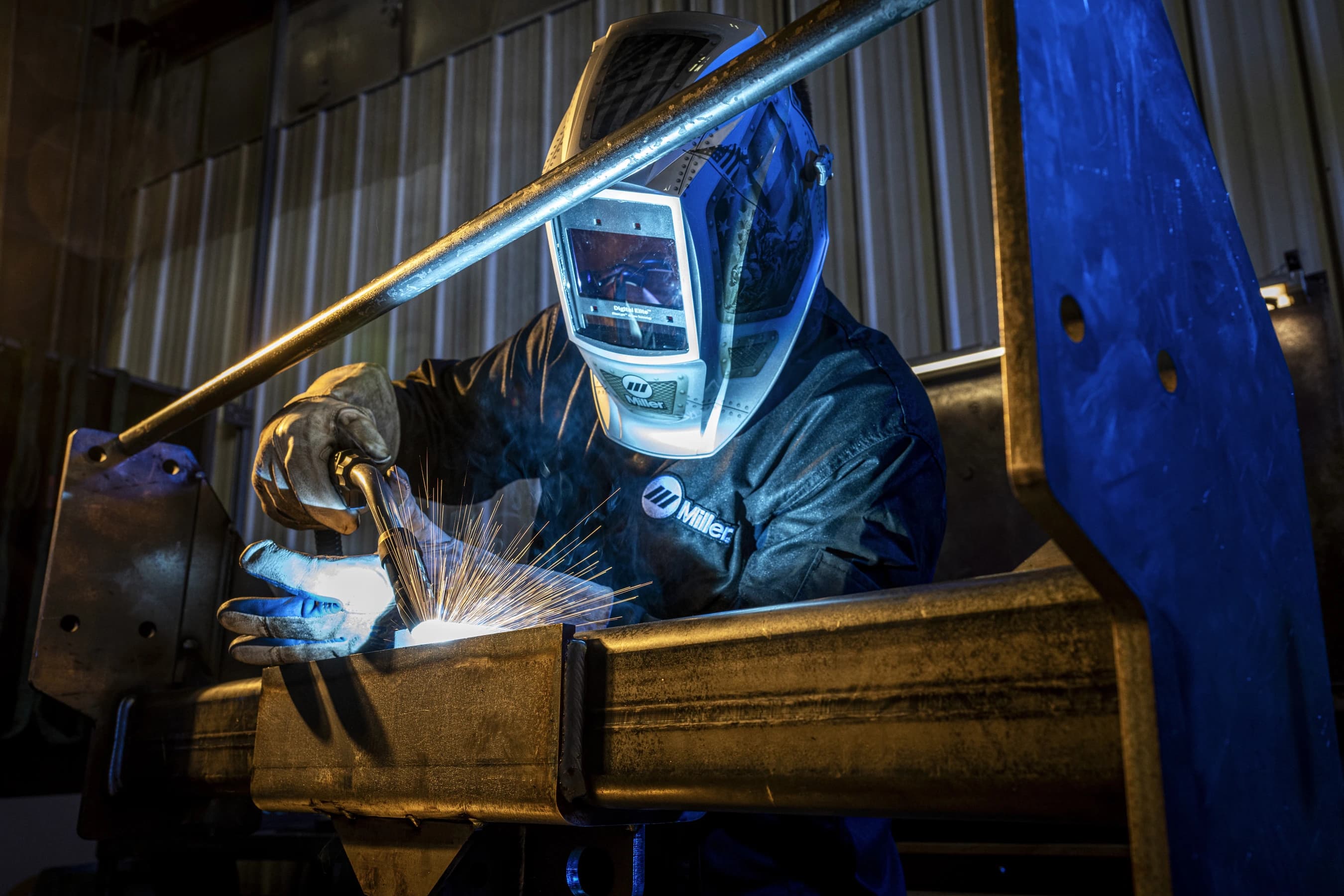
The use of quality personal protective equipment and safe welding practices must be a top priority for welders, regardless of the type of welding process. Welding PPE includes, but is not limited to, eye, face, hand and body protection. Safety glasses should always be worn under the helmet. In addition, the welding environment should be evaluated to ensure appropriate ventilation and respiratory protection.
One of the foundational features of any helmet is safety and compliance. In the United States, welding helmets need to meet ANSI standards — and in Canada the helmets need to be CSA compliant. General standards ensure that the helmet lens protects the welder from anything that could affect the eyes, which includes ultraviolet and infrared filtering regardless of the shade settings. Safety must be a top priority.
There are two common styles of welding helmets, a passive and an auto-darkening variable shade.
A passive helmet has a fixed-shade lens, typically a shade #10. When the helmet is in the down position, you will see through the dark lens. The lens will not switch from a light state to a darkened state. It will remain dark. Therefore, when inspecting the weld, you will need to remove the helmet. These helmets are generally lightweight, however because you can't select your shade level and the constant dark tinted lens, certain weld processes — as well as viewing your work area in-between welds — may be difficult.
An Auto-darkening helmet, fixed-shade combines the economy of a fixed-shade helmet and the benefits of auto darkening. If most of your welding involves similar material using the same welding process a fixed-shade auto-darkening helmet may be the right choice.
An Auto-darkening helmet, variable shade allows you to select the shade preference; this allows you to adjust the shades based on different welding processes and applications. Typical weld shade ranges are between shade #8 to #13. When the helmet is in the down position, you will see through a light lens allowing for clear visibility and evaluation of the weld piece and the surrounding area. Once the weld arc is struck, the helmet will automatically darken to the shade you have selected.
Lightweight helmet with superior headgear for increased efficiency. Features ClearLight™ 4x Lens Technology.

Industry-leading helmet provides high-performance versatility. Features ClearLight™ 4x Lens Technology.

Largest viewing area maximizes visibility. Features ClearLight™ 4x Lens Technology.

Maximized comfort, visibility and productivity for professional welders. ClearLight™ 4x technology
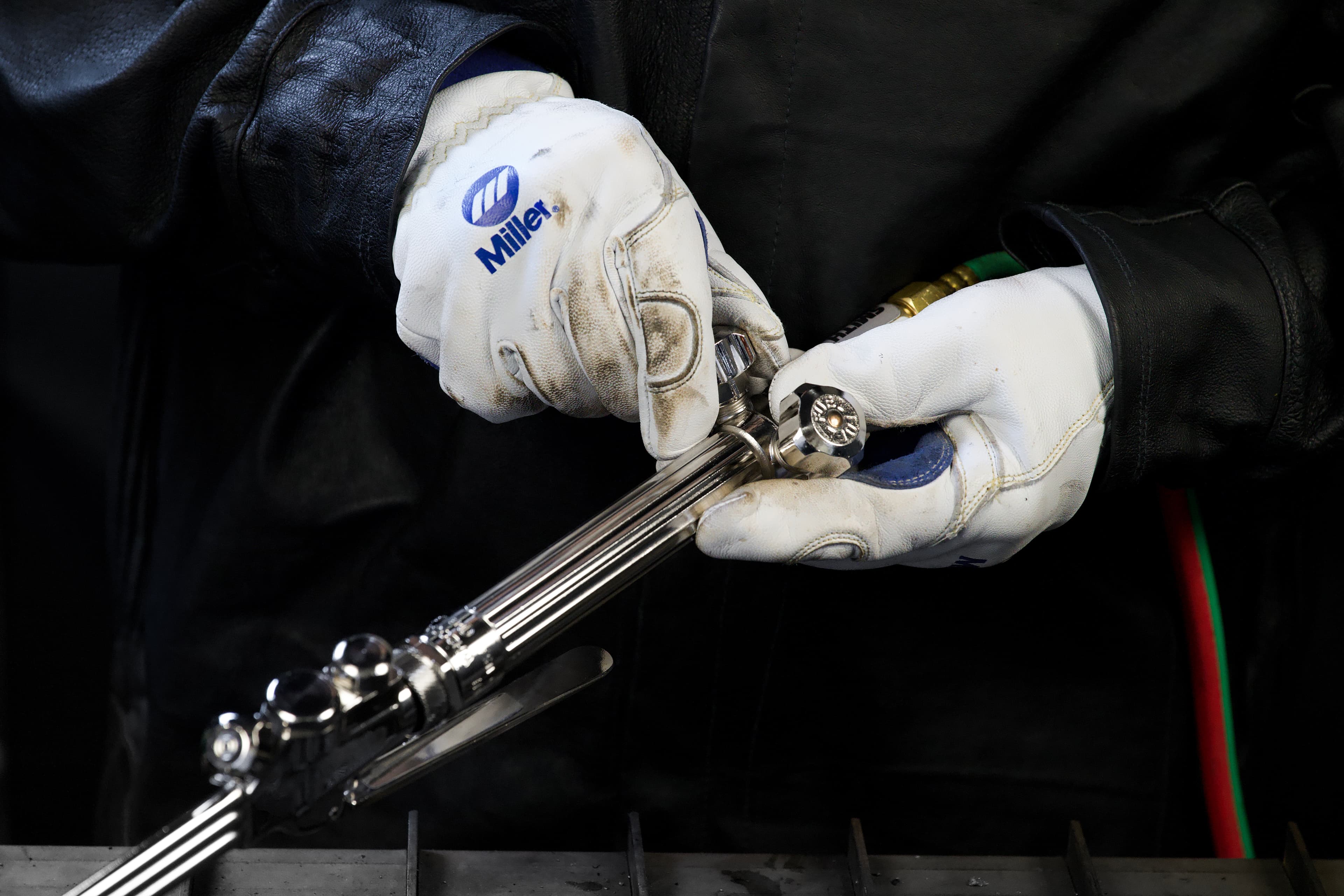
Want to know how to set up your oxy-fuel torch outfit? Whether it's your first time using your gas cutting torch or a pro, use this guide to ensure a safe set up.
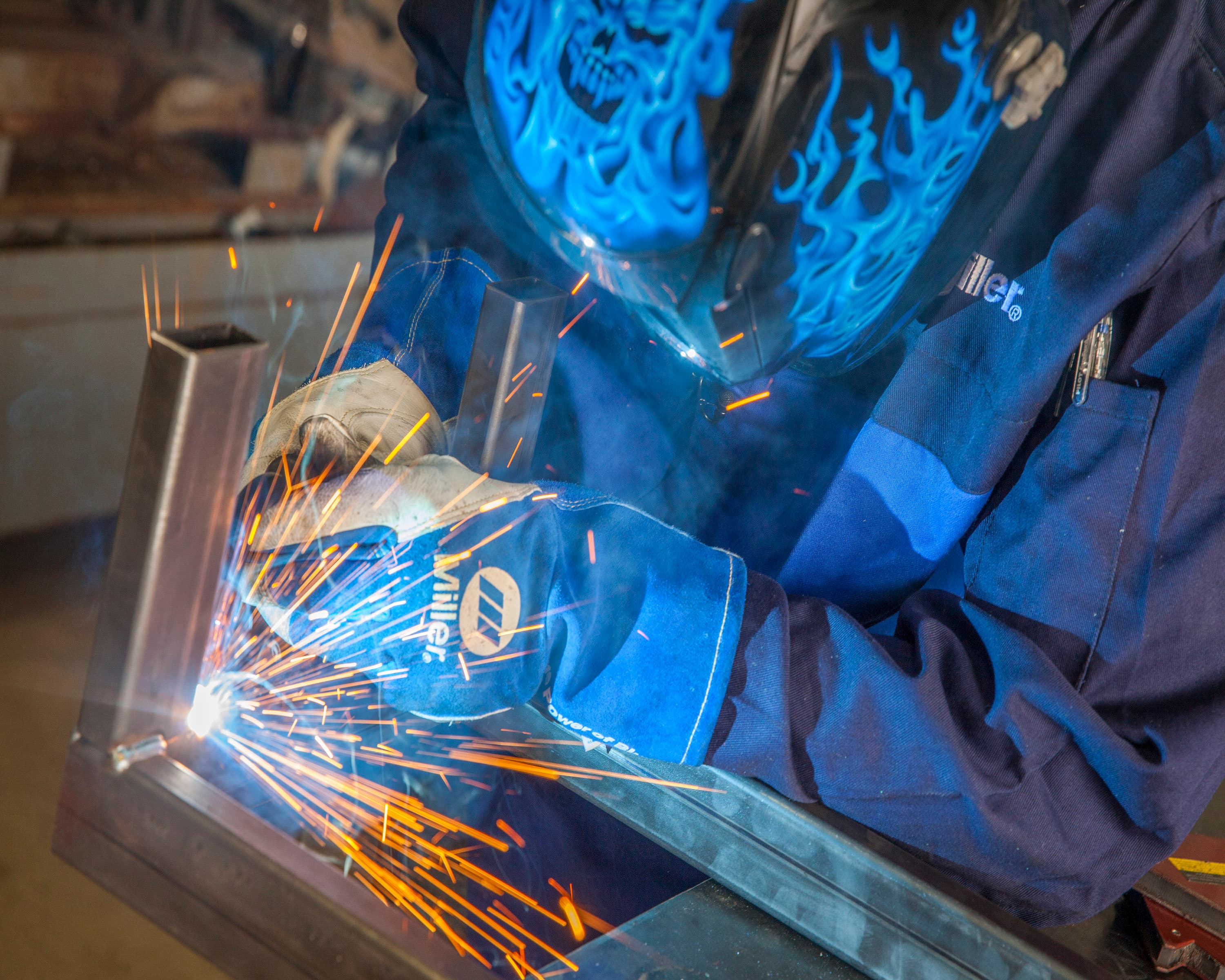
Discover 12 essential welding safety tips to reduce hazards, improve productivity, and protect workers across any size operation or industry.
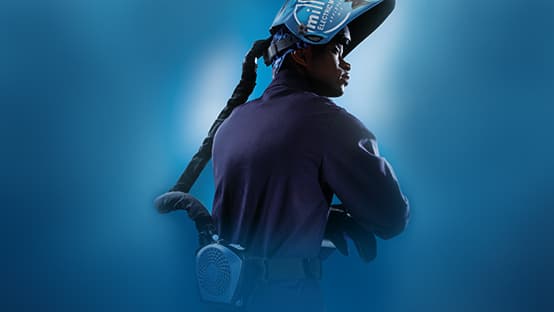
Learn how to outfit your welding operators with the best protective clothing and accessories to avoid heat stress — which can lead to a number of health concerns.

Welding protective clothing is important. Learn how to select the right safety apparel for your application and needs.
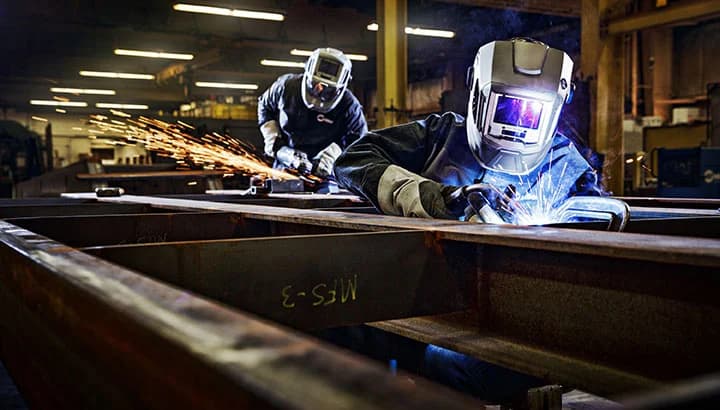
Advanced welding helmets enhance safety, ensure compliance, and improve comfort, helping reduce fatigue and increase productivity on the job.

Follow this guide to determine best welding helmet for you, which can make big difference in comfort and weld quality.
Reduce heat stress and boost welding performance with cooling gear like CoolBand™ and CoolBelt™, offering comfort, efficiency, and quick ROI.

A change to Miller® Powered Air Purifying Respirators helped increase comfort and productivity for Reading Truck Body employees.

Improve safety in your welding shop with some best practices, including setting up your weld area and wearing the proper PPE.

Explore how advanced welding helmet technology improves safety, comfort, and productivity, plus key factors to consider when choosing the right helmet.
Welding light state:
The shade of the lens when it is inactive. The lighter the lens is in this state, the better the welder can view the work area and weld piece. Miller® auto-darkening helmets offer a light state of 2.5 or 3, depending on the model.
Welding shades:
Determine how dark the welding filter gets when the welding arc is struck. Market standard shades are 8-13 with 13 being the darkest. See the chart below to determine the correct shade number for your welding applications.
Number of sensors:
The number of sensors ranges from two for a hobby level helmet to four for an industrial grade helmet. More sensors mean better coverage, especially for out-of-position welding where a sensor could be obstructed. Three sensors may be sufficient for production work or when you have a clear line of sight to your work. Four is optimal for most fabrication and out-of-position work.
Sensitivity:
Determines the amount of light required in order to darken the welding filter. Most auto-darkening helmets allow the welder to select how sensitive to light the welding helmet is.
Viewing area:
Welding helmets come in a multitude of viewing areas. A larger viewing area provides more visibility to the weld and the weld area while a smaller viewing area provides a more focused view. When looking at a larger viewing area, weight of the helmet may be a consideration.
While welding, always wear protective clothing appropriate for your welding application. Always wear your safety glasses under the welding helmet.
For consistent visibility of the weld, ensure the outer cover lens of the welding helmet is free from slag and spatter.
Before starting work, verify that the helmet is in the correct operating mode and that shade, sensitivity and delay settings are appropriate for the welding process and amperage.
If welding is your career — or is part of it — take the time to find the helmet that's right for you. While it may be tempting to buy the least expensive helmet at the local hardware store, taking the time to explore all of your options can have long-term benefits.
Posted Jun 16, 2026
Learn how to outfit your welding operators with the best protective clothing and accessories to avoid heat stress — which can lead to a number of health concerns.
Advanced welding helmets enhance safety, ensure compliance, and improve comfort, helping reduce fatigue and increase productivity on the job.
Reduce heat stress and boost welding performance with cooling gear like CoolBand™ and CoolBelt™, offering comfort, efficiency, and quick ROI.