
Article
4 Must-Dos to Winterize Your Engine-Driven Welder
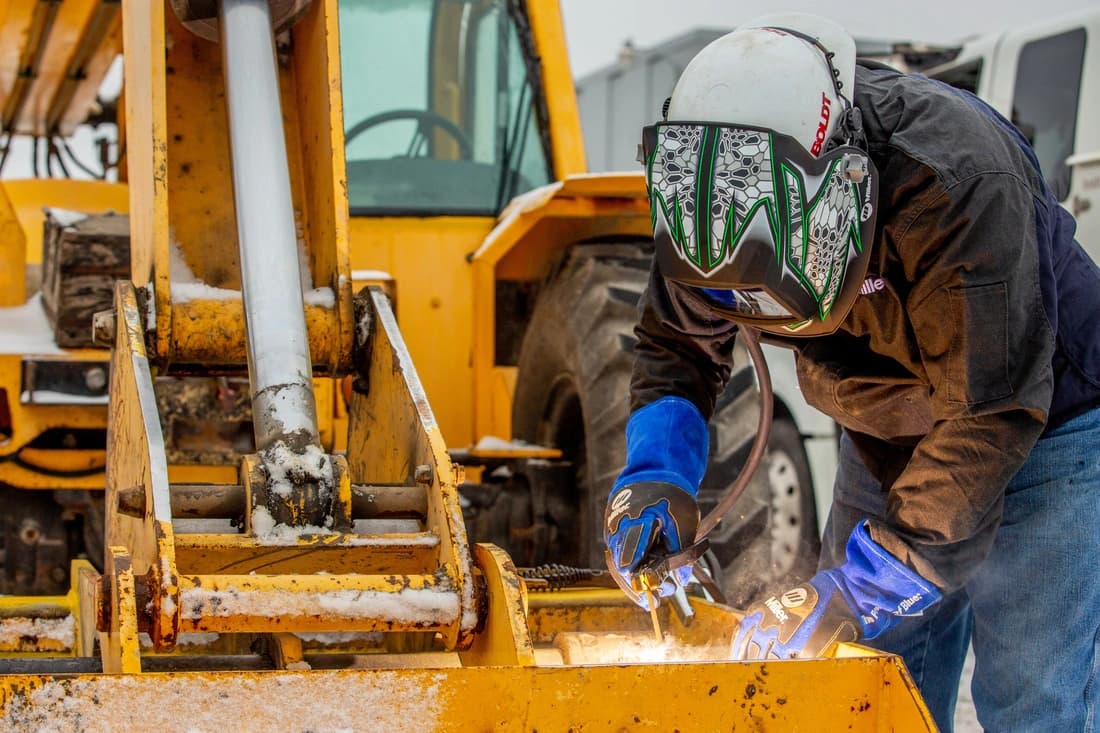
Follow these four maintenance tips to prepare your gas engine welder/generator for the winter months and ensure its operation at any time.
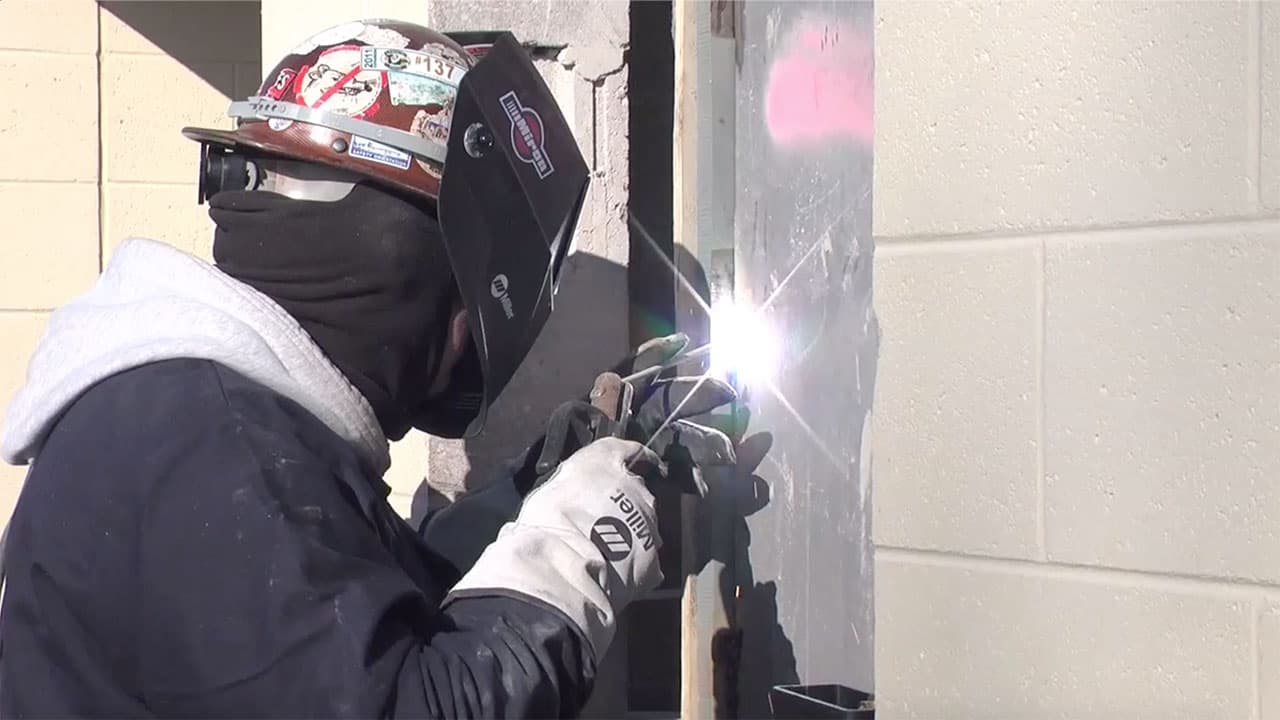
An induction heating system creates heat electromagnetically in the material rather than by surface heating, as with an open flame. Heat is induced by placing the steel in an alternating magnetic field created by liquid-cooled induction heating cables. In this application, Miron Construction rigged an 8-foot-long strip of plywood with the induction heating cables so it could be quickly and easily placed along each 2 1/2-inch thick reinforcement plate. The induction cables do not heat up themselves, but create eddy currents that generate heat throughout the plate and column. Two welders then worked down the side of each column plate.
“What we ended up doing with the coils for the unit was taking an 8-foot sheet of plywood, cutting it down to the size of our column plate, and zip-tying our coils to it and clamping the plywood to the edge of the column,” says Wirkuty. “When that side is done and heated, you just unclamp it and move to the other side. It makes it very easy to get around.”
The process is safer, faster and easier to use than other heating methods and typically provides more uniform heating throughout the part. The part comes to temperature within minutes and is kept at that temperature until the welding process is completed and the system is turned off or ramped down. Unlike heating with a torch, where the uniformity of heat is at the mercy of a number of factors — including ambient temperature, operator technique and the size of the column — induction heating heats the piece evenly throughout. Since they completed much of the work in winter in northern Wisconsin, the ability to reach and maintain that temperature was important.
“It’s been very important to have an even heating system,” says Wirkuty. “That way our welds, if you’re welding on the plate and trying to heat the column at the same time, with a weed burner or torch it seems like it’s very hard to keep that heat consistent. With this heat induction unit, that heat flows right through the plate evenly and it heats the column evenly.”
In addition to uniform heating throughout, induction heating also creates its heat without an exposed heating element, making it considerably safer than using a propane torch. There is no open flame to burn anyone or catch anything on fire, and the coils remain cool to the touch even during the heating process. It also reduces the need to handle potentially volatile heating gases, which improves overall safety and helps lower that consumable cost.
“It will be a lot easier because you don’t have to switch out the fuel so often,” says Wirkuty. “And storing them you have to set up your own site and cages with the right signage and everything else. This system, you can just roll in. You don’t have to worry about any of that.”
The unit plugs into most standard 480-volt three-phase receptacles found onsite or on generators, making it extremely versatile no matter the type of jobsite.
“Being electric, just hooking it up into the building, you don’t have to run a giant generator,” says Wirkuty. “You can just hook it up and go.”
While quality and safety are paramount, productivity is also an obvious factor. With this being a high-profile project with strict deadlines to meet, any process that increases productivity is going to be given serious consideration.
Induction heating allows welders to bring the part to temperature in less than half the time of heating with a torch and eliminates the need to stop welding to reheat the part — reducing total welding cycle times. When factoring in all of the benefits, Wirkuty knows it’s a viable and much more efficient technology for this application that will help lower total weld cycle costs.
“I think over the long run, the machine would actually pay for itself between the cost of acetylene and oxygen or propane heating it,” says Wirkuty. “And the productivity of it jumps way up.”
Reader’s note: This is the fourth in a series of articles detailing the expansion of Lambeau Field in Green Bay, Wisconsin, home to the Green Bay Packers of the National Football League. Miller Electric Mfg. LLC and Hobart were named the Official Welding Equipment Provider for the Lambeau Field Expansion by the Green Bay Packers. Through a partnership with Miron Construction Co., Inc. — the Official Provider of Construction Services for the Green Bay Packers and Lambeau Field — Miller and Hobart worked to bring the latest welding technology to the site.
Posted Apr 14, 2024
Follow these four maintenance tips to prepare your gas engine welder/generator for the winter months and ensure its operation at any time.
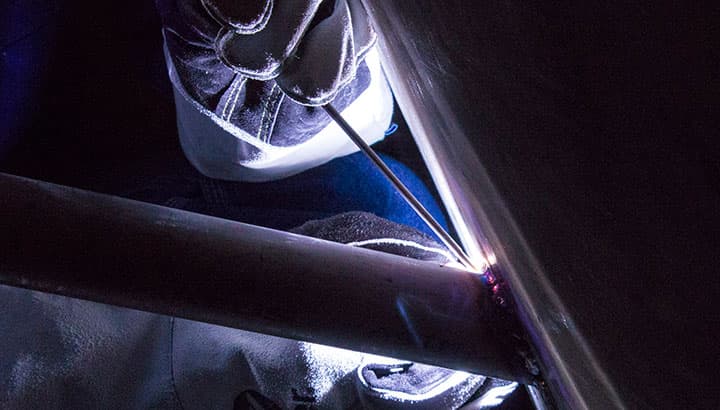
Switching between TIG and stick polarity is made easier with new technology from Miller, which allows operators to make changes at the joint.
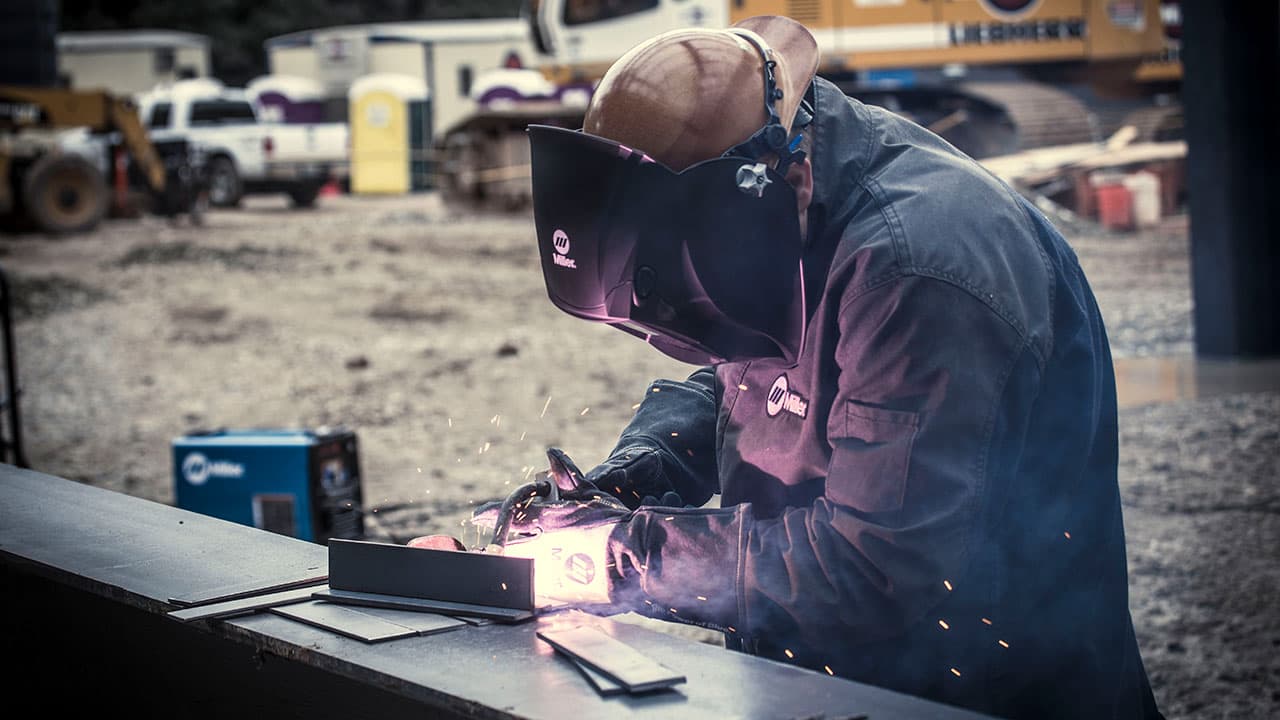
Are you or your welders experiencing wire feeder problems? Learn how to avoid issues with the right suitcase wire feeder.