
Article
Getting Started With TIG Welding MIG vs TIG Welding Equipment and Process
Learn the key differences between MIG and TIG welding, how the process changes when switching to TIG and how the right equipment helps build confidence and control.
Andy Weyenberg
Aftermarket and Performance, Miller Electric Mfg. LLC
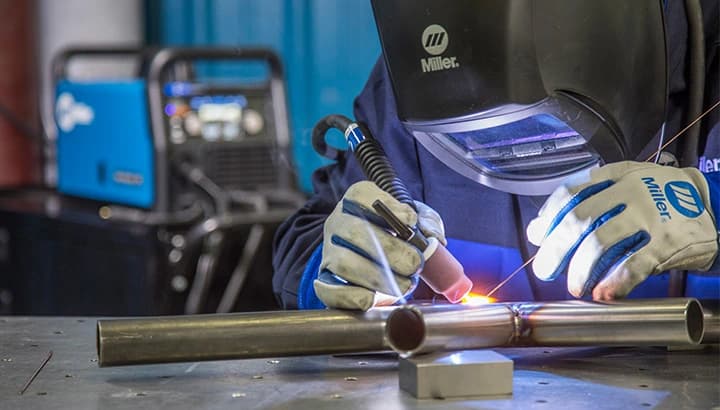
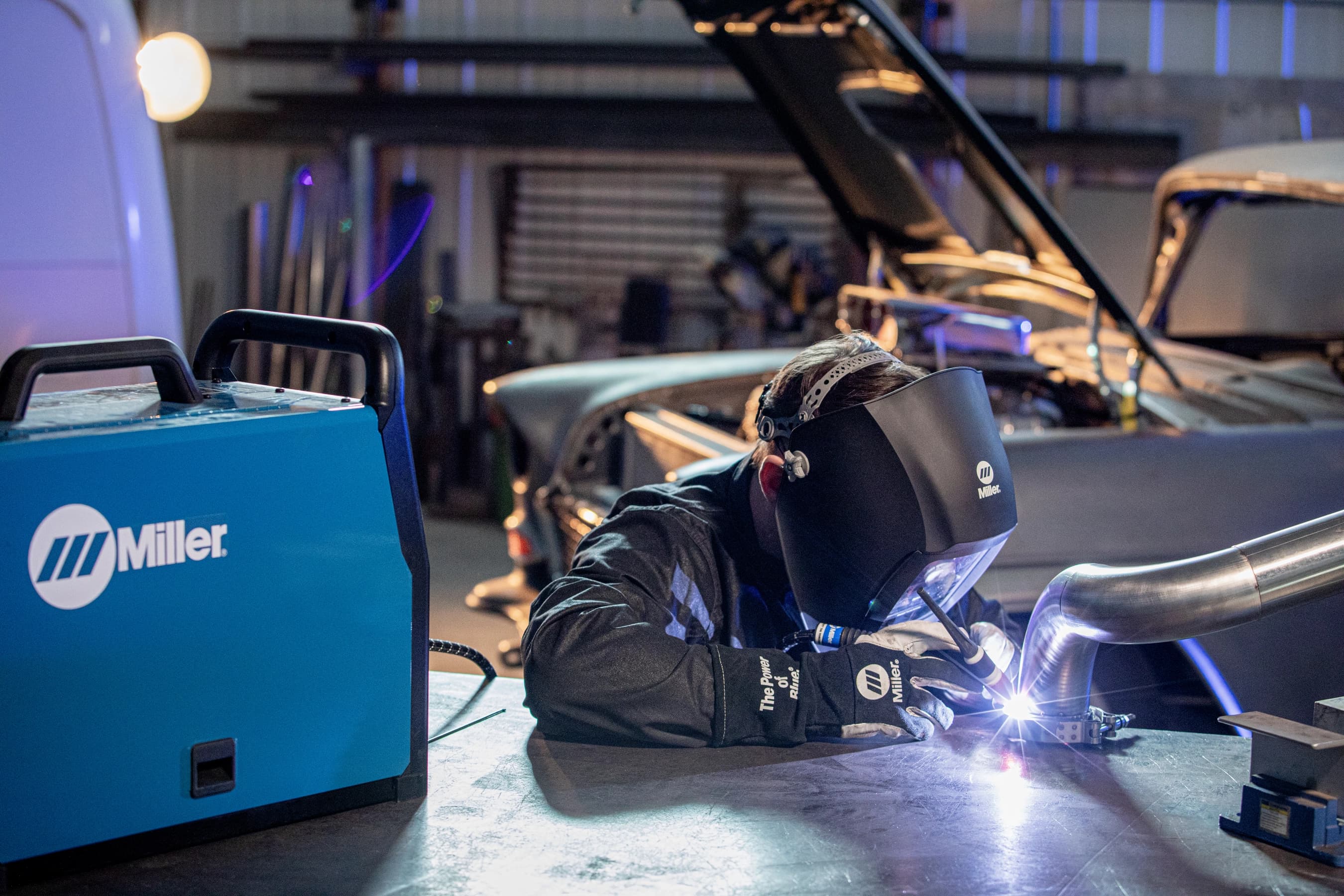
Chromoly is a high-strength steel used for applications like roll cages in racing, bicycle frames, motorcycle frames and aircraft parts. With chromoly steel, you can get the high strength demanded by those applications but can use a thinner, lighter material to achieve it.
Compared to mild steel, chromoly can be at least one or two gauges thinner and still deliver the same strength profile. This increased strength at thinner gauges can be preferable to mild steel in applications where weight is an important consideration but requires extra attention to gas coverage and filler metal selection.
Learn how to get the best results when TIG welding chromoly.
Chromoly gets its name from the alloying elements of chromium and molybdenum. These metals have an excellent strength-to-weight ratio. The most common chromoly code designation is 4130, which typically comes in the form of square or round tubing.
The material is available in sheets but its most common form is tubing, like what is used for roll cages on drag cars. Some racing sanctioning bodies require fabricators to use high-strength steels like chromoly for roll cages when the car exceeds a specific speed.
Here’s how chromoly compares to other common steel options in terms of strength, weight, flexibility and corrosion resistance:
Chromoly vs. mild steel
Chromoly vs. stainless steel
Chromoly vs. new high-strength alloys (e.g., Docol)
When working with chromoly, there are five essential factors that can help improve your success:
Chromoly's sensitivity to heat and contamination means every step of the welding process matters. The following five tips break down the key steps for cleaner beads, better penetration and more consistent results.
To get the best results when welding chromoly, pay careful attention to prep and cleaning before you start. With some of the newer high-strength, low-alloy steels, you can simply wipe off the protective oil and then weld. But chromoly requires thorough joint cleaning to prevent contamination and ensure weld integrity.
Best practices for prepping chromoly
This attention to detail improves your results, since the weld puddle will wet out better and provide a better weld bead. It’s just as important to ensure proper joint fit-up when preparing chromoly welds. Large gaps or poor fit-ups force you to spend more time filling those gaps, which adds heat to the weld and can compromise strength.
Chromoly is heat-sensitive, which makes TIG welding the preferred process over MIG. TIG offers better control of heat input, helping prevent brittleness and distortion.
While not recommended for chromoly, if you must MIG weld the material:
Best shielding gas for chromoly welding:
Don’t forget post-flow coverage:
In addition, be sure to use enough post-flow shielding gas coverage as the puddle cools. Post-flow helps ensure the weld is protected as the weld pool solidifies. It also shields the electrode from atmospheric contamination as it cools after welding.
For TIG welding chromoly, choose a gas lens instead of a collet body. A gas lens provides more consistent shielding gas coverage than a standard collet body. It uses several screens that create a uniform laminar flow, reducing turbulence and improving weld quality.
Benefits of a gas lens:
For chromoly TIG welding, ceriated (gray) tungsten is a good choice for consistent performance.
When welding chromoly, don’t use a filler metal that’s thicker than the base material. Much of the chromoly used for racing or general welding applications is light-gauge material, often 1/8-inch or thinner, so it’s important to choose a filler metal that is thinner than the base material.
For example, if you’re welding .049-gauge chromoly — a very common thickness — a 1/16 filler metal will be too thick and require more heat input. Instead, use a .045 filler metal for an .049 base material. If you are welding thicker chromoly, such as materials 3/16-inch or thicker, it may require heat treatment. It’s typically recommended to weld chromoly with an ER80S-D2 filler metal unless you are heat treating, then use a 4130-filler metal. If you are joining chromoly to mild steel — such as welding a chromoly roll cage to a mild steel vehicle frame —an ER70S2 filler metal is a good option.
Here’s a quick reference guide to the most common filler metals for chromoly welding and their recommended applications:
| Filler Metal | Applications | Notes |
|---|---|---|
| ER80S0-D2 | Standard chromoly welding (light‑ to medium‑gauge) | Good balance of strength and ductility - use when not heat‑treating |
| ER70S2 | Joining chromoly to mild steel (e.g., roll cage to frame) | Slightly lower tensile strength helps absorb stress when welding dissimilar materials - helps prevent cracking at transition points |
| 4130 | Chromoly parts requiring heat treatment after welding | Use only when the joint will be normalized/heat‑treated |
It’s not recommended to weld chromoly with a stainless-steel filler metal like 312. This filler metal has much higher strength than the 4130 tubing and won’t provide the necessary elongation properties for flexibility of the joint in case of a crash.
Chromoly offers the high strength and light weight needed by many applications. To achieve strong, defect-free welds, focus on controlling heat input, proper prep and cleaning, and tight joint fit-up. Use TIG welding for better heat control, select the right shielding gas (straight argon), and choose filler metals matched to the material thickness for durability. Following these best practices helps prevent contamination, maintain flexibility and deliver consistent results when welding chromoly.
Posted Mar 11, 2026
Learn the key differences between MIG and TIG welding, how the process changes when switching to TIG and how the right equipment helps build confidence and control.
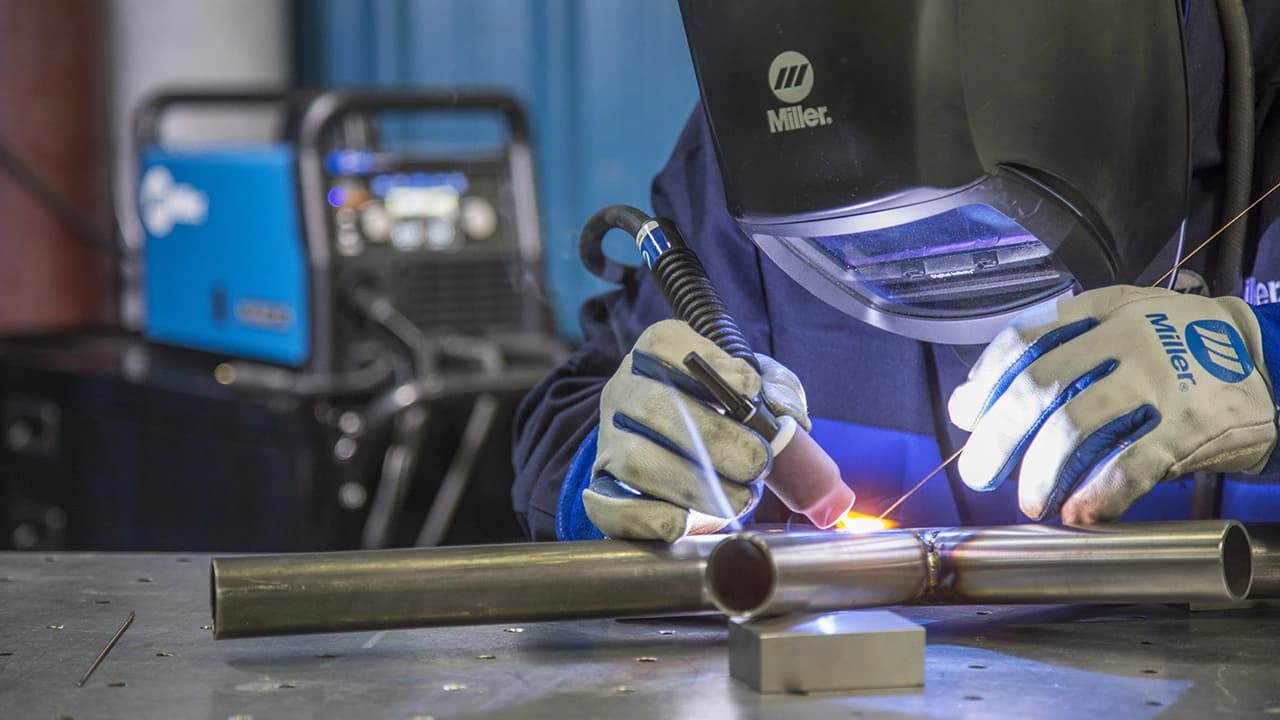
Learn the basics of TIG welding in motorsports applications and the proficiency of a TIG welder on aluminum and chrome-moly.
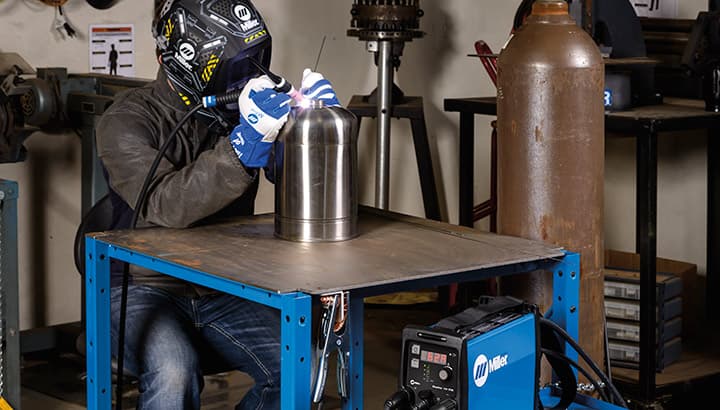
Pulsed TIG welding gives you better control of heat input, warping and arc stability on stainless steel — improving first-pass yield and lowering costs.