Article
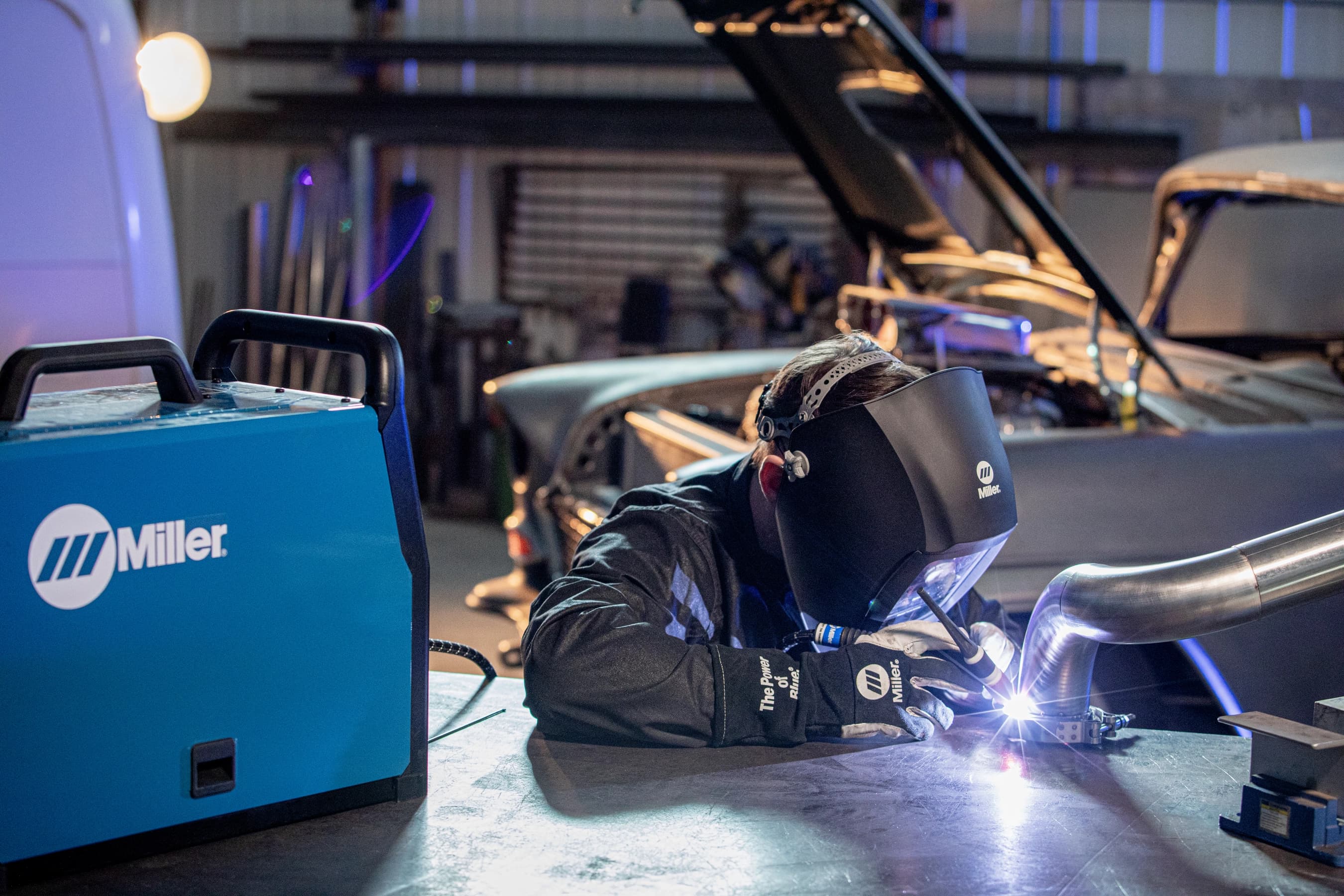
Getting Started With TIG Welding MIG vs TIG Welding Equipment and Process
Learn the key differences between MIG and TIG welding, how the process changes when switching to TIG and how the right equipment helps build confidence and control.

Josh Welton
Owner, Brown Dog Welding
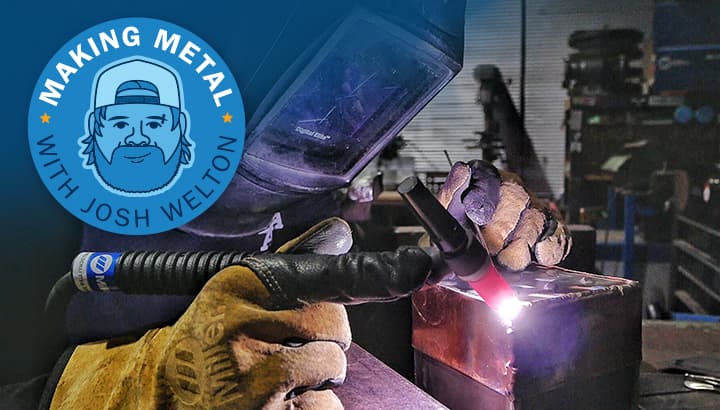
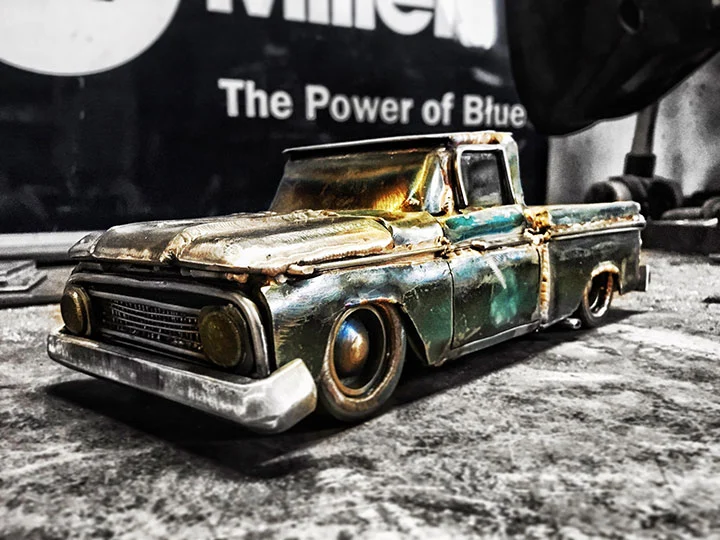
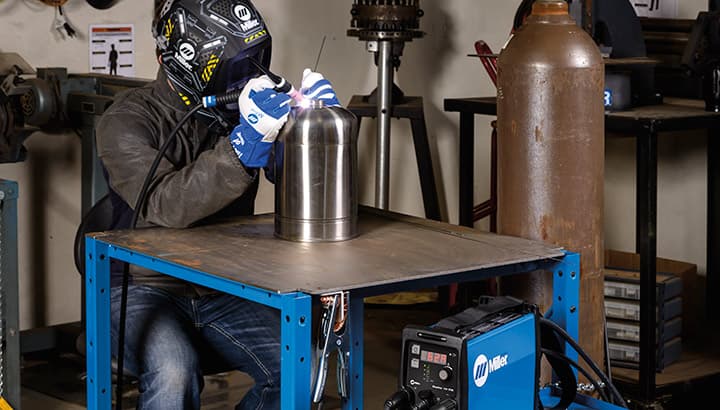
TIG brazing is a method that allows welders to join unlike metals without melting the base material, which makes brazing applicable for many projects where metal incompatibility or heat distortion are concerns. Below, we’ll discuss when and why brazing with silicon bronze is a good option and provide tips for those new to the process.
Silicon bronze is versatile as a filler material. With a TIG torch, you can put it to use on several tasks that range from difficult to impossible with a typical steel filler rod.
Of course, using this filler material is not exactly welding — not in the traditional sense at least. Instead, you’re brazing with a softer filler utilizing capillarity, while still using a TIG setup instead of a gas torch. It’s a process sometimes known as TIG or electric brazing.
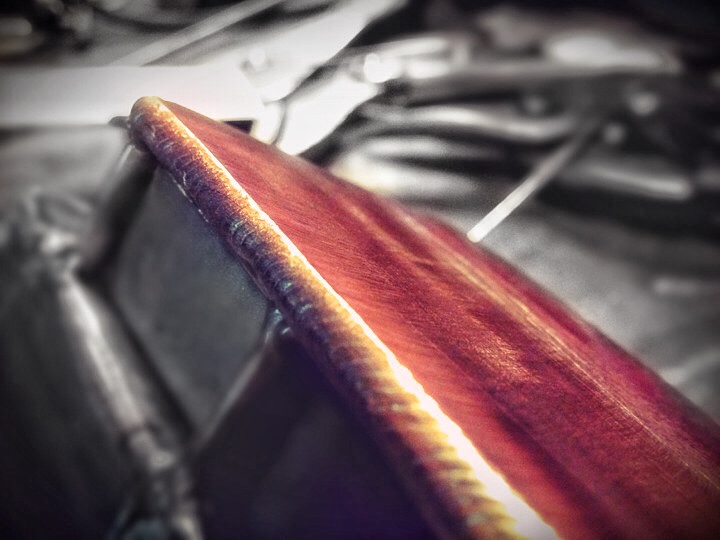
Brazing is done at lower temperatures without melting the base metals; the filler material flows into all microscopic crevices in the metal and pulls the pieces together, like a permanent Velcro. Because of this, you don’t need the base metals to be similar, so it’s possible to TIG braze copper to stainless steel, as an example.
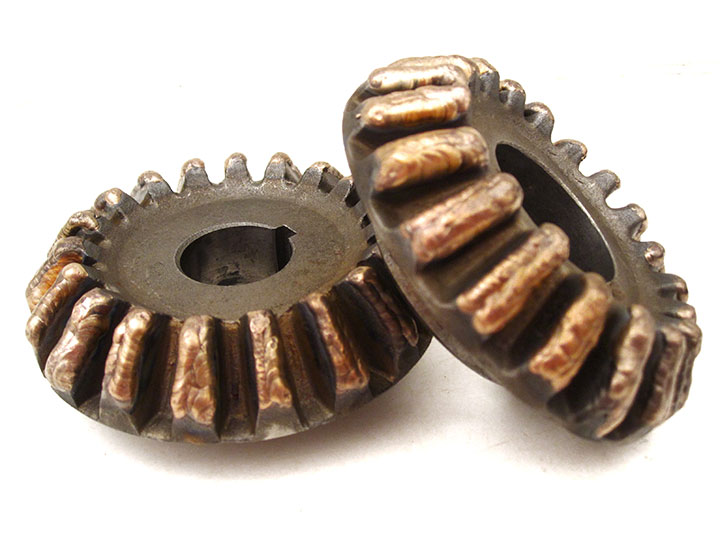
Silicon bronze offers excellent wear properties for dissimilar metals. For example, I rebuilt my dad’s snowblower using a “cold” braze — just warm enough for the silicon bronze to bond. After filing the teeth to fit, those gears have worked perfectly for five or six seasons.
One of the biggest advantages of TIG brazing with silicon bronze is flexibility. You can join metals that normally don’t bond well, opening creative and practical possibilities.
Here are some of the materials that you can braze together with silicon bronze:
Although TIG brazing and TIG welding share similarities, the filler reacts differently to the base metal. Here’s what to keep in mind:
The melting window is smaller. Too cold, and the filler balls up; too hot, and you risk “hot cracking” by melting into the base metal excessively.
A little melting is fine, but too much can fracture the joint down the middle. Overall, TIG brazing silicon bronze feels a lot like TIG welding steel in terms of machine settings and techniques. The filler is pretty much the only variable that changes from a process standpoint.
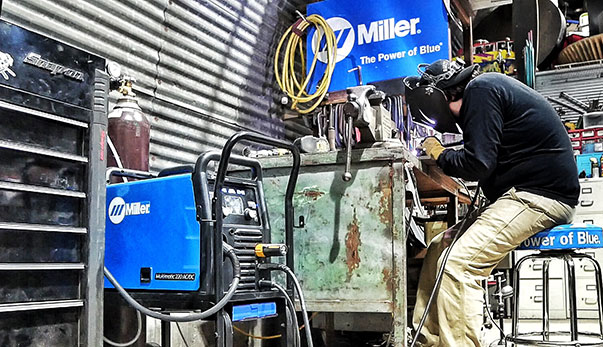
Pro tip: Experiment with both settings to see what works best. Machines like the Multimatic® 220 AC/DC multiprocess welder offer flexibility for both AC and DC TIG.
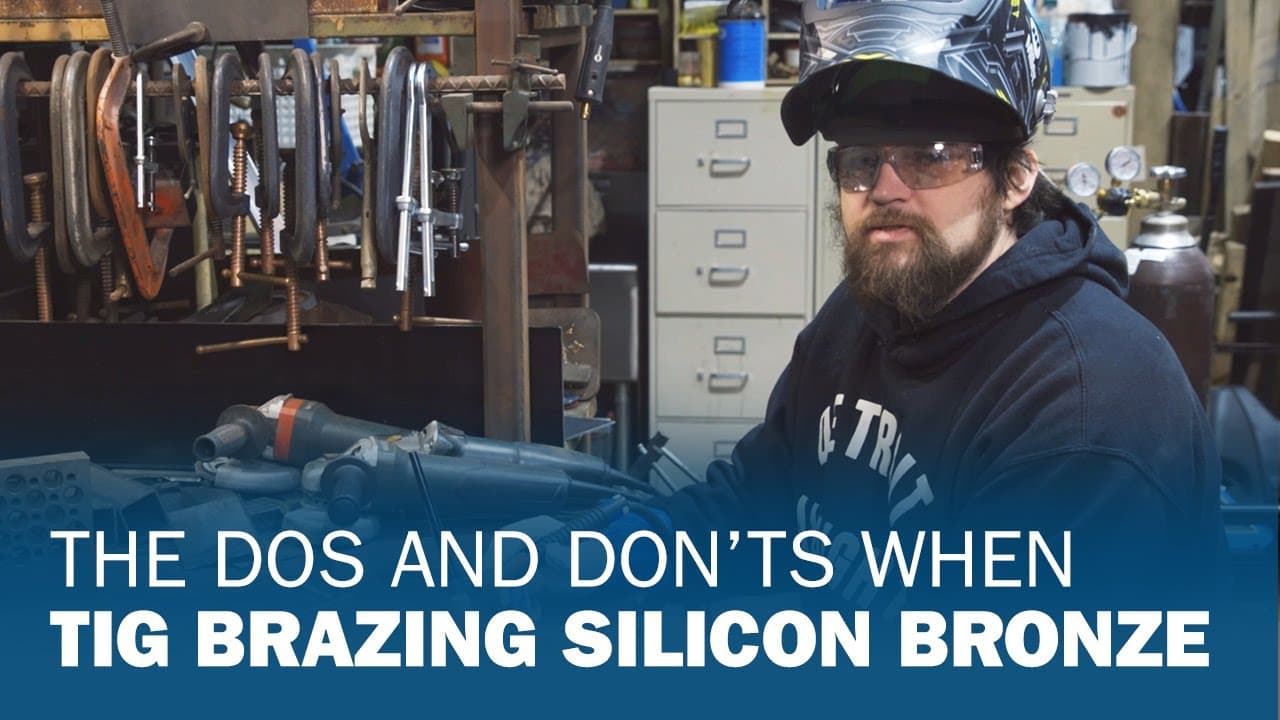
The Dos and Don’ts When TIG Brazing Silicon Bronze
If you can TIG weld and want to try TIG brazing, just grab some silicon bronze and go to town. You'll notice some slight differences, but overall, it's a pretty simple process.
Just remember:
Control the heat at a lower temperature. You don’t need to melt the base metals, and you don’t want to overheat the silicon bronze rod.
A brazed joint is not as strong as a weld. Because the base metals are not fused and the filler material melts at a lower temperature, brazed joints are not to be used where structural integrity is needed.
About Josh Welton
Josh Welton, owner of Brown Dog Welding LLC fabrication and art studio in Detroit MI, is an established welder, fabricator, teacher, artist, writer, social media influencer, entrepreneur and automotive enthusiast. He is a contributing writer to TheFabricator.com and The WELDER Magazine (FMA Publications), as well as DodgeGarage.com. He was honored as the 2018 recipient of the WEMCO/AWS Foundation Excellence in Welding Award in the Media category for his contributions to promote welding.
Posted Mar 11, 2026
Learn the key differences between MIG and TIG welding, how the process changes when switching to TIG and how the right equipment helps build confidence and control.
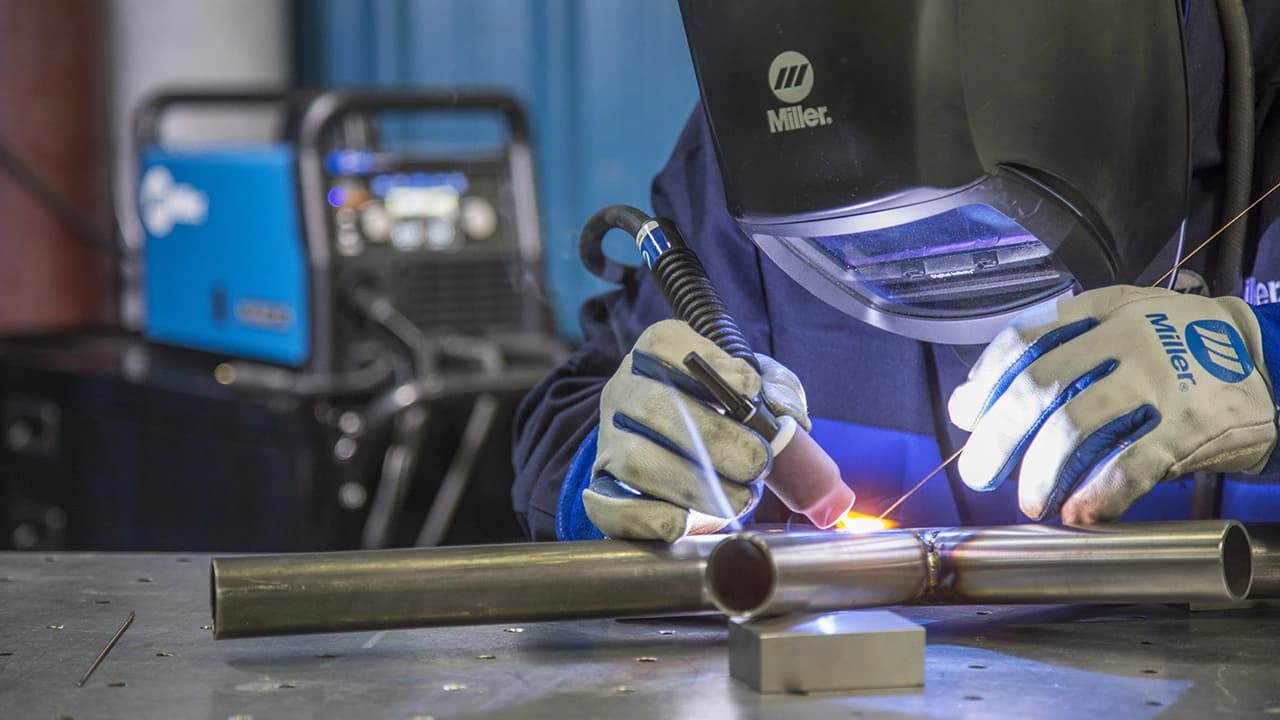
Learn the basics of TIG welding in motorsports applications and the proficiency of a TIG welder on aluminum and chrome-moly.
Pulsed TIG welding gives you better control of heat input, warping and arc stability on stainless steel — improving first-pass yield and lowering costs.